









Key Takeaways
- Andropause (male menopause) involves a gradual decline in testosterone levels, typically dropping about 1-2% per year after age 40, affecting 10-15% of men over 60.
- Common symptoms include fatigue, reduced sexual function, mood changes, sleep disturbances, and body composition changes that can significantly impact quality of life.
- Natural approaches like specific diet modifications, targeted exercise routines, and stress management can effectively address many andropause symptoms without medication.
- Unlike female menopause, andropause develops gradually over years without a complete cessation of hormone production, making it more subtle and often overlooked.
- Early recognition and proactive management of symptoms through lifestyle interventions can help men maintain vitality and well-being as they age.
What Is Andropause? The Male Hormonal Shift Explained
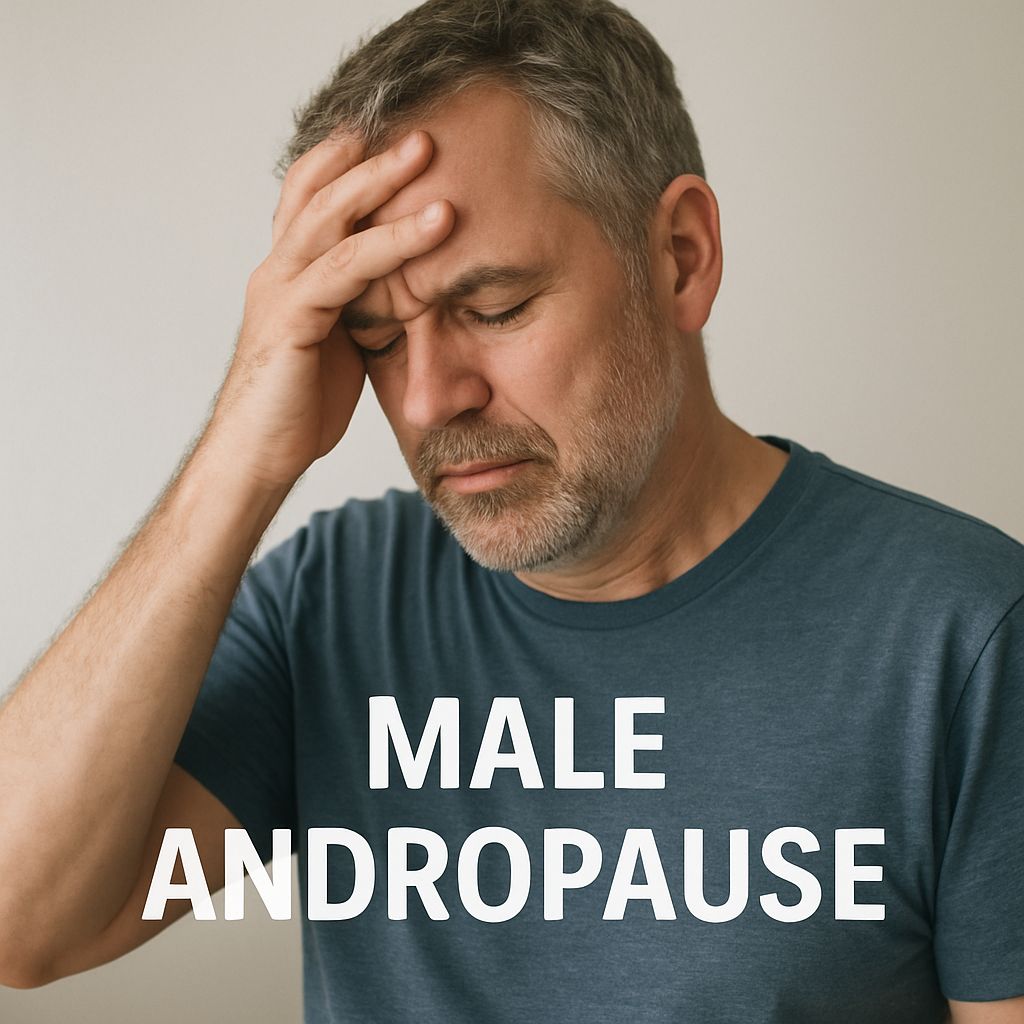
Andropause represents the gradual decline in testosterone that occurs as men age. Unlike the dramatic hormonal plunge women experience during menopause, men undergo a much more subtle transition, with testosterone levels typically declining at a rate of about 1-2% annually beginning in their mid-30s to 40s. This hormonal shift is also referred to as age-related hypogonadism, testosterone deficiency syndrome, or more colloquially as “male menopause.”
The term “male menopause” can be somewhat misleading since men don’t experience a complete cessation of hormone production like women do. Instead, the testosterone decline happens gradually over decades, with symptoms emerging slowly and often being attributed simply to “getting older.” What makes andropause particularly challenging to identify is that not all men with declining testosterone levels experience noticeable symptoms, and when symptoms do appear, they can vary significantly in both type and intensity.
The Andropause Timeline: While female menopause typically occurs within a defined age range (45-55), andropause can begin as early as 35-40 and progress over 20-30 years. About 10-15% of men over 60 have testosterone levels low enough to cause symptoms, with that percentage increasing with age.
Importantly, andropause isn’t simply about aging—it represents a specific hormonal change that can significantly impact quality of life when symptoms become pronounced. Understanding this natural transition allows men to recognize potential symptoms early and take appropriate steps to maintain their health and vitality through middle age and beyond.
7 Common Andropause Symptoms Men Need to Recognize
Recognizing the symptoms of andropause is the critical first step toward addressing them effectively. While individual experiences vary widely, certain patterns of change tend to emerge as testosterone levels decline. These symptoms often develop so gradually that many men don’t connect them to hormonal changes until they begin significantly affecting quality of life. For those seeking solutions, exploring testosterone boosters can be a beneficial step.
Declining Energy Levels and Fatigue
One of the earliest and most common signs of andropause is a noticeable decline in energy. Men may find themselves unable to maintain the same activity levels they once did, experiencing fatigue that doesn’t resolve with rest. This isn’t simply feeling tired after a long day—it’s a persistent lack of energy that can affect motivation and productivity. Understanding the underlying causes, such as natural nootropics, can help in addressing these symptoms effectively.
The fatigue associated with andropause differs from normal tiredness in both its persistence and its resistance to typical remedies like extra sleep or caffeine. Many men describe it as feeling “drained” or “running on empty” despite adequate rest. This energy decline often leads to decreased physical activity, which can unfortunately worsen other andropause symptoms in a negative feedback loop.
For many men, this fatigue becomes most noticeable in the afternoon or early evening, making it difficult to engage fully in family activities or hobbies after work. As testosterone plays a key role in maintaining energy metabolism and cellular function, its decline directly impacts overall vitality and stamina. To learn more about how testosterone affects men’s health, you can explore this Harvard Health article on male menopause.
Changes in Sexual Function and Libido
Perhaps the most discussed symptom of andropause involves changes in sexual function and desire. As testosterone levels fall, many men experience a gradual decrease in libido (sexual desire) alongside physical changes like less frequent morning erections, difficulty maintaining erections, or reduced ejaculatory volume. These changes can create significant psychological impact, affecting relationships and self-image.
Mood Swings and Irritability
Testosterone plays a crucial role in mood regulation, and its decline can trigger emotional changes that may seem uncharacteristic. Men experiencing andropause often report increased irritability, shorter patience, and mood fluctuations that family members notice before they do themselves. These mood changes can manifest as heightened reactions to minor stressors or a general sense of discontent that wasn’t previously present.
The emotional aspect of andropause is particularly challenging because many men have been socialized not to discuss feelings, making these changes especially confusing. What often begins as mild irritability can progress to more significant mood disturbances if left unaddressed. Partners frequently report noticing these changes before the man himself recognizes them. For those looking to understand more about managing these emotional shifts, exploring how to prioritize mental health can be a helpful resource.
| Mood Symptom | How It Manifests | Impact on Daily Life |
|---|---|---|
| Irritability | Shorter fuse, quicker to anger | Strained relationships, workplace tension |
| Mood Swings | Unpredictable emotional shifts | Confusion for both the man and loved ones |
| Decreased Motivation | Loss of drive for previously enjoyed activities | Reduced productivity, less life satisfaction |
Sleep Disturbances and Night Sweats
Hormonal changes during andropause frequently disrupt sleep patterns, creating a vicious cycle that exacerbates other symptoms. Many men report difficulty falling asleep, staying asleep, or achieving restorative deep sleep. Some experience night sweats similar to those women report during menopause, though typically less severe. These sleep disturbances directly impact energy levels, cognitive function, and mood the following day.
- Difficulty falling asleep despite feeling tired
- Waking frequently throughout the night
- Early morning awakening with inability to return to sleep
- Night sweats requiring change of clothes or bedding
- Increased snoring or sleep apnea symptoms
The relationship between testosterone and sleep is bidirectional—low testosterone can disrupt sleep, while poor sleep further reduces testosterone production. Breaking this cycle is essential for symptom management.
Muscle Loss and Fat Gain
Testosterone is crucial for maintaining muscle mass and regulating fat distribution. As levels decline, men often notice gradual changes in body composition—specifically, a loss of muscle definition and an increase in body fat, particularly around the midsection. This shift happens even without changes in diet or exercise habits, reflecting testosterone’s direct effects on metabolism and tissue maintenance.
Memory and Concentration Problems
Cognitive changes represent some of the most concerning symptoms for many men experiencing andropause. Difficulties with concentration, focus, and memory—often described as “brain fog”—can affect work performance and daily functioning. Men may find themselves more easily distracted, having trouble remembering details, or needing to re-read information multiple times to absorb it.
Depression and Anxiety
Beyond mood swings, more serious psychological symptoms can emerge during andropause. Clinical depression and anxiety disorders become more common as testosterone declines, with symptoms including persistent sadness, loss of interest in previously enjoyed activities, excessive worry, and feeling overwhelmed by minor challenges. These symptoms require particular attention as they significantly impact quality of life and may require specific treatment approaches. For more information on mental health, consider breaking the stigma and prioritizing mental health.
Recognizing these symptoms as potential indicators of hormonal changes rather than simply “aging” allows men to seek appropriate evaluation and treatment. Many of these symptoms respond well to both natural interventions and medical treatments when properly addressed.
Testosterone’s Role in Male Health
Testosterone is far more than just a sex hormone. It functions as a master regulator in men’s bodies, influencing everything from muscle development and bone density to energy metabolism and cognitive function. This powerful hormone helps maintain cardiovascular health, supports immune function, and regulates mood through complex interactions with brain chemistry. Understanding testosterone’s widespread influence helps explain why its decline affects so many different aspects of male health, including cognitive function support.
Beyond its well-known effects on reproductive function and sexual characteristics, testosterone plays crucial roles in red blood cell production, fat distribution, and protein synthesis. The receptors for this hormone exist throughout the body’s tissues, allowing it to influence cellular function in virtually every system. This explains why declining levels can create such diverse symptoms – from psychological changes to physical transformations.
The integrative approach to andropause management recognizes testosterone not in isolation, but as part of a complex hormonal network that includes cortisol, thyroid hormones, insulin, and other signaling molecules. When testosterone declines, these relationships can become unbalanced, creating cascading effects throughout the body. Restoring balance—whether through natural methods or medical interventions—aims to address these systemic effects.
How Testosterone Levels Change With Age
The natural trajectory of testosterone production follows a predictable pattern across a man’s lifespan. Levels surge during puberty, peak in early adulthood (typically around age 20), and then begin a gradual decline starting in the late 20s or early 30s. Unlike the dramatic hormonal cliff women experience during menopause, men’s testosterone typically decreases at a steady rate of about 1-2% per year. This gradual decline means many men don’t notice significant changes until their 50s or 60s, when cumulative losses begin manifesting as noticeable symptoms.
Important variations exist in how individuals experience this decline. Lifestyle factors significantly influence the rate of change, with obesity, chronic stress, poor sleep habits, and certain medications accelerating testosterone loss. Genetics also play a role in determining both the starting testosterone level and the trajectory of decline. This explains why some men maintain healthy testosterone levels well into their senior years while others experience problematic symptoms much earlier. To understand more about this condition, you can read about male menopause and its effects.
Normal vs. Low Testosterone Levels
Determining what constitutes “normal” testosterone levels involves more complexity than many men realize. Reference ranges vary between laboratories, but generally, total testosterone levels between 300-1000 ng/dL are considered within normal limits for adult men. However, these broad ranges fail to account for individual variations in how men respond to specific hormone levels. Some men experience symptoms at levels considered “low normal,” while others feel perfectly fine at lower measurements. For those seeking to boost their hormone levels naturally, exploring HGH enhancers might be beneficial.
Clinically significant low testosterone (hypogonadism) is typically defined as levels below 300 ng/dL accompanied by symptoms. However, the presence of symptoms remains the crucial factor in determining whether treatment is warranted. Modern approaches increasingly focus on free testosterone (the unbound, biologically active portion) rather than just total testosterone, as this provides better insight into hormonal activity at the cellular level.
Diagnosing Andropause: What to Expect
Proper diagnosis of andropause requires more than just identifying symptoms or checking a single testosterone level. A comprehensive evaluation includes multiple components to ensure accurate assessment and appropriate treatment planning. Given the significant overlap between andropause symptoms and those of other conditions, careful diagnostic work helps prevent misdiagnosis and inappropriate treatments.
Blood Tests for Hormone Levels
Hormone testing serves as the cornerstone of andropause diagnosis, but proper testing requires attention to several factors. Blood samples should ideally be drawn in the morning when testosterone levels naturally peak, and multiple measurements are often necessary due to day-to-day variations in hormone levels. Beyond total testosterone, comprehensive panels typically measure free testosterone, bioavailable testosterone, estradiol (a form of estrogen), luteinizing hormone (LH), and follicle-stimulating hormone (FSH). These additional markers help distinguish between primary hypogonadism (testicular failure) and secondary hypogonadism (pituitary or hypothalamic dysfunction).
Medical History and Physical Examination
A thorough medical history and physical examination provide crucial context for interpreting hormone test results. During history-taking, healthcare providers assess the timing, progression, and severity of symptoms while identifying potential contributors like medications, existing health conditions, or lifestyle factors. The physical examination focuses on body composition, cardiovascular health, prostate assessment, and signs of hormonal imbalance. This comprehensive approach helps distinguish between symptoms caused by low testosterone and those stemming from other health issues that might require different treatments.
Ruling Out Other Health Conditions
Many andropause symptoms overlap with those of other medical conditions, making differential diagnosis essential. Fatigue, mood changes, and cognitive issues could indicate thyroid dysfunction, sleep apnea, depression, or cardiovascular disease rather than testosterone deficiency. Sexual dysfunction might stem from psychological factors, medication side effects, or vascular problems. Comprehensive screening often includes thyroid function tests, metabolic panels, complete blood counts, and sometimes sleep studies or psychological evaluations to identify or rule out these alternative explanations.
Accurate diagnosis requires both objective measurements and subjective symptom assessment. Standardized questionnaires like the Aging Male Symptoms Scale or the Androgen Deficiency in Aging Males questionnaire help quantify symptoms and track changes over time. This combination of objective and subjective measures provides the foundation for developing an effective treatment approach tailored to each man’s specific situation.
Natural Treatments for Andropause Symptoms
While medical interventions have their place in andropause management, natural approaches offer powerful first-line strategies with minimal side effects. These holistic methods address not only symptoms but also underlying imbalances, potentially slowing the progression of hormonal decline. Natural treatments work with the body’s innate regulatory systems to optimize function rather than simply replacing hormones.
The most effective approach to managing andropause naturally involves addressing multiple lifestyle factors simultaneously. Research shows that combining dietary changes, targeted exercise, stress management, and sleep optimization creates synergistic benefits greater than any single intervention alone. These natural approaches offer the additional advantage of improving overall health beyond just hormone levels.
For many men with mild to moderate andropause symptoms, natural treatments may provide sufficient relief without the need for hormone therapy or medications. Even for those who eventually require medical treatment, these foundational approaches improve treatment outcomes and potentially reduce necessary medication dosages. The following evidence-based strategies form the cornerstone of natural andropause management, including nootropics that support testosterone levels.
- Optimize nutrition with testosterone-supporting foods
- Implement strategic exercise patterns focusing on strength training
- Manage stress through mindfulness and targeted relaxation techniques
- Improve sleep quality and duration
- Consider evidence-based supplements when appropriate
- Reduce exposure to environmental hormone disruptors
- Maintain healthy body composition
Diet Changes That Boost Testosterone
Nutrition provides the fundamental building blocks for hormone production while influencing the metabolic environment in which hormones function. A testosterone-supporting diet focuses on adequate healthy fats, quality proteins, and specific micronutrients critical for hormone synthesis. Research shows that monounsaturated and saturated fats from sources like olive oil, avocados, eggs, and grass-fed meats support optimal testosterone production. Meanwhile, zinc-rich foods (oysters, pumpkin seeds, beef) and vitamin D sources (fatty fish, egg yolks, sunlight exposure) provide essential co-factors for testosterone synthesis.
Equally important is avoiding dietary patterns that suppress testosterone. Excessive consumption of ultra-processed foods, refined carbohydrates, and alcohol has been linked to accelerated hormonal decline. Studies demonstrate that high sugar intake increases sex hormone-binding globulin (SHBG), which reduces free testosterone availability. Inflammatory dietary patterns also impair testicular function and hormone signaling, making an anti-inflammatory approach beneficial for most men experiencing andropause symptoms.
Exercise Routines That Combat Hormone Decline
Physical activity powerfully influences hormone production, with different exercise modalities offering specific benefits for men in andropause. Resistance training stands out as particularly effective, with studies showing that lifting weights at moderate to heavy loads increases both acute and long-term testosterone production. The most beneficial approach combines compound movements (squats, deadlifts, bench press, rows) that engage multiple large muscle groups with adequate recovery time between intense training sessions. High-intensity interval training (HIIT) provides complementary benefits by improving insulin sensitivity and reducing inflammation, both of which support healthy hormone function.
Stress Management Techniques
Chronic stress creates a hormonal environment directly antagonistic to testosterone production. When stress hormones like cortisol remain elevated, they suppress the hypothalamic-pituitary-testicular axis that controls testosterone synthesis. Effective stress management techniques include mindfulness meditation, deep breathing exercises, progressive muscle relaxation, and regular time in nature. These practices activate the parasympathetic nervous system, counteracting the stress response and creating physiological conditions more favorable for testosterone production. Many men find that even brief daily stress management practices (10-15 minutes) produce noticeable improvements in energy, mood, and overall well-being.
Sleep Optimization Strategies
Sleep’s Impact on Testosterone: Research shows that men who sleep 5 hours per night have testosterone levels 10-15% lower than those who sleep 8 hours. Even a single week of restricted sleep can significantly reduce daytime testosterone levels in otherwise healthy men. For those looking to boost their testosterone levels, exploring testosterone boosters might be a beneficial option.
Quality sleep represents one of the most powerful natural interventions for supporting healthy testosterone levels. Most testosterone production occurs during deep sleep phases, making both sleep duration and quality crucial for hormonal health. Effective sleep optimization includes maintaining consistent sleep-wake schedules (even on weekends), creating a sleep-conducive environment (dark, cool, quiet), and establishing a calming pre-sleep routine. Technology boundaries—particularly avoiding screens for 1-2 hours before bed—help preserve natural melatonin production that supports both sleep quality and hormone regulation.
For men experiencing night sweats or sleep disturbances related to andropause, additional strategies may help. Moisture-wicking bedding, layered blankets that can be easily adjusted, and keeping the bedroom temperature between 65-68°F (18-20°C) can reduce night sweat discomfort. Some men benefit from sleep tracking technology that provides insights into sleep patterns and helps identify specific disruptions that can be targeted with appropriate interventions.
The relationship between sleep and testosterone is bidirectional—improving one typically enhances the other. Men who address sleep issues often experience improvements in multiple andropause symptoms simultaneously, making sleep optimization a high-priority intervention with wide-ranging benefits.
Herbal Supplements and Their Evidence
The botanical world offers several compounds with potential benefits for men experiencing andropause. While these natural supplements don’t replace healthy lifestyle practices, they may provide additional support for specific symptoms. Ashwagandha (Withania somnifera) has demonstrated impressive results in clinical studies, with research showing it can increase testosterone levels by 10-22% while reducing cortisol and supporting stress adaptation. This adaptogenic herb appears to work by optimizing hypothalamic-pituitary-adrenal axis function, creating favorable conditions for testosterone production.
Other evidence-based options include Tongkat Ali (Eurycoma longifolia), which may help increase free testosterone levels by reducing SHBG; Fenugreek (Trigonella foenum-graecum), which appears to inhibit the conversion of testosterone to estrogen; and Panax ginseng, which supports energy, mood, and sexual function through multiple mechanisms. When considering supplements, quality matters tremendously—look for standardized extracts tested for purity and potency from reputable manufacturers with transparent quality control practices. For more natural options, explore the best herbal supplements available.
The research around herbal supplements continues to evolve, with varying levels of evidence for different compounds. While generally safe, these botanicals can interact with medications or be inappropriate for certain medical conditions. A thoughtful approach involves selecting supplements targeted to specific symptoms, starting with one at a time to assess individual response, and consulting with a knowledgeable healthcare provider, particularly for men with existing health conditions or those taking medications.
Medical Treatments for Andropause
When natural approaches aren’t sufficient to manage andropause symptoms, medical interventions offer additional options. These treatments should ideally complement rather than replace healthy lifestyle practices, creating a comprehensive approach to managing hormonal changes. Medical treatments for andropause have evolved significantly in recent years, with more personalized protocols and delivery methods becoming available from natural wellness clinics specializing in men’s hormonal health.
Testosterone Replacement Therapy (TRT)
Testosterone replacement therapy represents the most direct approach to addressing andropause symptoms. For men with clinically low testosterone levels and significant symptoms, TRT can provide substantial relief and improved quality of life. Modern TRT comes in multiple forms, each with distinct advantages and considerations. Injections (typically every 1-2 weeks) provide the most precise dosing control and lowest cost but require regular administration. Transdermal options (gels, creams, patches) offer steady hormone levels without injections but may transfer to partners through skin contact. Newer pellet implants, inserted under the skin every 3-6 months, provide consistent release without daily application.
The benefits of properly administered TRT can include improved energy, enhanced sexual function, increased muscle mass, better cognitive function, and elevated mood. However, potential side effects must be considered. These may include increased red blood cell production (potentially increasing stroke risk), testicular shrinkage, reduced sperm production, acne, and possible effects on prostate health. Regular monitoring through blood tests and clinical evaluations helps ensure safety and optimize benefits while minimizing risks.
Other Hormone Therapies
Beyond testosterone, other hormonal interventions may benefit specific andropause symptoms. Human Chorionic Gonadotropin (hCG) therapy stimulates the body’s natural testosterone production rather than replacing the hormone externally. This approach can help maintain testicular size and function while improving symptoms. For men with elevated estrogen levels (common in overweight men with andropause), aromatase inhibitors may help optimize the testosterone/estrogen balance by reducing the conversion of testosterone to estrogen.
Thyroid supplementation often complements testosterone therapy, as thyroid function commonly declines with age and shares many symptoms with low testosterone. Growth hormone secretagogues—compounds that stimulate natural growth hormone production—may benefit some men with andropause, particularly for body composition and energy improvements. These additional hormone interventions require careful assessment and monitoring by practitioners experienced in hormonal medicine.
Medications for Specific Symptoms
Some andropause symptoms respond to targeted medications even without hormone replacement. For sexual function concerns, phosphodiesterase-5 inhibitors like sildenafil (Viagra) or tadalafil (Cialis) can improve erectile function regardless of testosterone status. Sleep medications may help address insomnia temporarily while other interventions take effect. For significant mood symptoms, antidepressants or anti-anxiety medications might be appropriate, though these should be considered carefully as some can further reduce testosterone or sexual function.
The integrative approach to andropause treatment recognizes that combining targeted symptom management with broader hormonal support often yields the best results. This might mean utilizing TRT while also addressing specific symptoms with other medications during the transition period. The ideal treatment plan evolves over time based on symptom response and laboratory measurements, with ongoing adjustments to optimize wellness. For those interested in exploring natural alternatives, there are options such as testosterone boosters that can complement traditional therapies.
Andropause vs. Menopause: Key Differences
While “male menopause” provides a convenient shorthand for describing age-related hormonal changes in men, the comparison to female menopause has significant limitations. Understanding these differences helps clarify expectations and appropriate treatment approaches. The biological processes, symptom patterns, and implications differ substantially between these two hormonal transitions.
Timeline and Progression
The most fundamental difference between andropause and menopause involves their timeline and progression. Female menopause occurs over a relatively brief period (typically 1-5 years), culminating in the complete cessation of menstruation and reproductive capability. During this transition, estrogen levels drop dramatically and relatively rapidly. Andropause, by contrast, progresses much more gradually, with testosterone declining approximately 1-2% annually over decades without a complete cessation of hormone production. This slow progression means many men don’t recognize symptoms until they’ve accumulated significantly, often attributing changes to normal aging rather than hormonal factors.
Symptom Intensity and Variability
The symptom experience differs markedly between menopause and andropause. Menopause typically produces distinct, unmistakable symptoms like hot flashes, night sweats, and menstrual irregularities that clearly signal hormonal change. Andropause symptoms tend to be more subtle, variable, and easily attributed to other causes like stress, aging, or lifestyle factors. The gradual nature of testosterone decline allows for adaptive physiological responses that can mask symptoms until hormone levels fall significantly. Additionally, testosterone levels fluctuate naturally based on numerous factors (sleep, stress, physical activity), creating variable symptom patterns that can come and go rather than steadily progressing.
While menopause affects virtually all women (though symptom severity varies greatly), andropause affects men much more selectively. Only about 30% of men in their 70s experience significant symptoms related to low testosterone, compared to nearly 100% of women experiencing menopausal symptoms. This variability stems from differences in the completeness of hormone decline, genetic factors affecting hormone sensitivity, and lifestyle influences that can either accelerate or slow testosterone reduction.
When to See a Doctor About Andropause Symptoms
The gradual nature of andropause often leads men to delay seeking medical attention, sometimes for years after symptoms begin. Understanding when professional evaluation is warranted helps prevent unnecessary suffering while ensuring serious conditions aren’t overlooked. As a general guideline, men should consider medical evaluation when symptoms interfere with quality of life, relationships, or daily functioning despite attempts at lifestyle optimization.
Red Flags That Require Immediate Attention
Certain symptoms warrant prompt medical evaluation regardless of whether they stem from hormonal changes. Sexual dysfunction accompanied by cardiovascular symptoms (shortness of breath, chest pain with exertion) requires immediate assessment, as it may indicate underlying heart disease. Severe depression with suicidal thoughts, significant cognitive changes affecting daily function, or profound fatigue that prevents normal activities shouldn’t be dismissed as mere andropause symptoms. Sudden onset of symptoms (developing over weeks rather than months or years) suggests causes other than gradual hormonal decline and requires thorough investigation.
Physical symptoms like unusual breast development (gynecomastia), rapid weight loss without effort, severe night sweats with fever, or testicular pain or changes also necessitate prompt medical evaluation. These may indicate conditions requiring specific treatment beyond hormone optimization. Men should remember that seeking help promptly often leads to simpler, more effective treatment options and better outcomes.
Finding the Right Healthcare Provider
Navigating the healthcare system to find appropriate care for andropause symptoms can be challenging. Primary care physicians vary widely in their comfort and expertise with male hormonal health. Specialists who commonly address these issues include urologists (particularly those specializing in men’s health), endocrinologists, and integrative or functional medicine practitioners with hormone expertise. When selecting a provider, look for experience specifically with male hormonal health, familiarity with comprehensive testing beyond basic hormone panels, and comfort with both natural and medical treatment options.
Effective andropause management typically requires a partnership approach between patient and provider. The ideal practitioner listens carefully to symptom experiences, considers quality of life impacts, performs appropriate testing, and collaborates on creating a personalized treatment plan. Many men benefit from assembling a care team that might include both conventional and integrative practitioners who communicate and coordinate care. This integrated approach ensures comprehensive treatment addressing both symptoms and underlying causes.
Living Well Through Andropause
Beyond specific treatments for andropause symptoms, adopting a holistic approach to aging supports overall vitality and resilience during this transition. Men who thrive through andropause typically view this life stage as an opportunity for reassessment and renewed commitment to health rather than simply a period of decline. This perspective shift itself can significantly impact how andropause is experienced.
Social connection plays a crucial yet often overlooked role in navigating andropause successfully. Maintaining meaningful relationships and open communication with partners, family members, and friends provides emotional support while countering the isolation that sometimes accompanies this transition. Some men benefit from men’s groups specifically focused on midlife transitions, offering both camaraderie and practical strategies from others with similar experiences.
Cognitive engagement through continued learning, creative pursuits, or intellectual challenges helps maintain brain function and psychological well-being during andropause. The brain’s neuroplasticity responds positively to stimulation regardless of age, and cognitive activity supports the neural connections that maintain memory, focus, and mental clarity. Many men find that developing new skills or deepening existing interests provides both purpose and satisfaction during this life stage.
- Maintain social connections and communicate openly about your experience
- Engage in ongoing learning and cognitive challenges
- Practice gratitude and mindfulness to enhance resilience
- Explore purpose and meaning beyond career achievements
- Embrace flexibility and adaptation rather than resistance to change
- Celebrate the wisdom and perspective that comes with this life stage
Perhaps most important is maintaining perspective about andropause as a natural life transition rather than a disease process. While symptoms warrant attention and treatment, this phase also brings opportunities for growth, wisdom, and deeper self-understanding. Many men report that addressing andropause consciously leads to improved relationships, greater life satisfaction, and a renewed sense of purpose in their mature years. For those interested in cognitive enhancement, exploring natural nootropics can be beneficial.
Frequently Asked Questions
As awareness of andropause grows, men naturally have questions about this hormonal transition and how to navigate it effectively. The following answers address common concerns based on current medical understanding and research evidence.
What age does andropause typically begin?
Andropause doesn’t have a distinct starting point like female menopause. Testosterone levels typically begin declining around age 30-35, decreasing at about 1-2% per year thereafter. However, most men don’t notice significant symptoms until their late 40s or 50s when cumulative hormone reduction reaches a threshold where symptoms become apparent. Individual variation is substantial—some men experience noticeable changes in their early 40s, while others maintain adequate hormone levels and function into their 70s without significant symptoms.
Factors that influence the timing of andropause symptom onset include genetics, lifestyle factors (particularly stress, sleep habits, and body composition), environmental exposures, and existing health conditions. Men with metabolic syndrome, diabetes, or obesity typically experience earlier and more pronounced hormonal changes. Similarly, chronic stress, sleep deprivation, and certain medications can accelerate testosterone decline and symptom development. For those interested in understanding how to support testosterone levels, exploring the role of nootropics might provide valuable insights.
Rather than focusing exclusively on age, men should pay attention to symptom patterns and functional changes regardless of when they occur. Significant changes in energy, mood, sexual function, or body composition warrant attention whether they occur at 40 or 70.
Can andropause symptoms be prevented?
While the gradual decline in testosterone with age cannot be completely prevented, many factors that accelerate this decline are modifiable. Maintaining healthy body composition (particularly avoiding excess abdominal fat), prioritizing quality sleep, managing stress effectively, and engaging in regular resistance exercise all help preserve testosterone function and delay symptom onset. Environmental factors also matter—minimizing exposure to endocrine-disrupting chemicals found in some plastics, pesticides, and personal care products may help maintain hormonal balance. The preventive approach works best when implemented early, ideally beginning in the 30s before significant hormonal decline occurs.
Is testosterone replacement therapy safe for all men?
Testosterone replacement therapy isn’t appropriate for everyone. Men with prostate cancer, male breast cancer, untreated severe sleep apnea, uncontrolled heart failure, or abnormally high red blood cell counts should generally avoid TRT. For men without these contraindications, properly monitored testosterone therapy administered by knowledgeable practitioners appears to have a favorable safety profile for most. Recent large-scale studies have alleviated previous concerns about cardiovascular and prostate cancer risks when appropriate monitoring protocols are followed. Safety depends on proper patient selection, appropriate dosing, regular monitoring, and ongoing lifestyle support to address root causes rather than just replacing hormones.
Do all men experience andropause symptoms?
No. Despite the universal decline in testosterone with age, only about 30-40% of men develop significant symptoms requiring intervention. This variability stems from differences in the degree of hormone reduction, receptor sensitivity to available hormones, and individual thresholds for symptom manifestation. Some men maintain adequate testosterone function despite lower absolute levels, while others experience pronounced symptoms even with modest hormonal changes. This variation highlights why treatment decisions should be based on the presence of symptoms and functional impacts rather than laboratory values alone.
Genetic factors significantly influence how men experience hormonal changes. Some men inherit greater natural testosterone production capacity or more efficient receptor responses, providing greater resilience against age-related decline. Others have genetic variations that affect enzyme function in testosterone metabolism, potentially accelerating or slowing the effects of changing hormone levels.
How long does andropause last?
Unlike menopause which has a distinct endpoint (12 months after the final menstrual period), andropause has no clear conclusion. Testosterone levels continue declining gradually throughout the remainder of life, though the rate of decline typically slows after age 70. However, symptomatic andropause—the period when hormonal changes produce noticeable effects requiring adaptation or intervention—typically spans 10-20 years, most commonly from the late 40s through the 60s.
With appropriate interventions, including both lifestyle optimization and medical treatments when needed, most men can effectively manage symptoms throughout this transition. Many find that once they implement appropriate support strategies, symptoms stabilize or improve even as hormone levels continue their gradual decline. This reflects the body’s remarkable adaptive capacity when provided with appropriate support.
The experience of andropause evolves over time, with different symptoms often becoming prominent at different stages. Early andropause frequently manifests as subtle energy and mood changes, while later stages may bring more noticeable physical and sexual function changes. This evolution reflects both continuing hormonal shifts and the cumulative effects of these changes on various body systems.
- Early phase (40s-early 50s): Subtle energy changes, mild mood shifts, slight body composition changes
- Middle phase (50s-early 60s): More noticeable sexual function changes, sleep disturbances, muscle mass reduction
- Later phase (60s+): Potential bone density concerns, more significant cognitive changes, established body composition shifts
Understanding andropause as an extended transition rather than a brief event helps men approach it with appropriate expectations and sustainable management strategies. With proper support and intervention, men can maintain vibrant health and quality of life throughout this natural life stage. For those interested in boosting cognitive function during this time, exploring nootropics that support testosterone levels might be beneficial.
For personalized guidance on navigating andropause symptoms and optimizing your hormonal health naturally, consider consulting with specialists who understand the unique challenges of male hormonal transitions and can offer comprehensive, holistic solutions tailored to your specific needs.