









Summary of the Article
- Whole grains are not the same as all other starches – refined options such as white rice and white bread tend to produce more severe glucose responses
- By using the “cool and reheat” method for bread, rice, and potatoes, you can increase the resistant starch content, which results in smaller spikes in blood sugar
- If you pair starchy foods with protein, healthy fats, fiber, or acid (like vinegar), you can significantly reduce their glycemic impact
- Portion control is still essential – even healthy whole grains can cause blood sugar to rise if you eat too much of them
- You don’t have to remove bread, rice, and potatoes from your diet – if you use strategic preparation and food pairing techniques, they can be friendly to your blood sugar
Starchy foods such as bread, rice, and potatoes often receive a lot of criticism in the diabetes community. However, it’s not always necessary or practical to completely eliminate these dietary staples. The key is to understand how these foods affect your blood sugar and to learn the smart strategies that allow you to enjoy them while keeping your glucose levels stable.
The Reason Bread, Rice, and Potatoes Cause Your Blood Sugar to Skyrocket
Consuming starchy foods such as bread, rice, and potatoes results in your body converting them into glucose molecules that are then released into your bloodstream. This occurs especially quickly when the starches are refined and don’t contain fiber, protein, or fat to slow down the digestion process. It often comes as a surprise to many people to learn that foods don’t have to be sweet to cause a significant rise in blood sugar levels. In fact, a simple baked white potato can cause a greater increase in blood glucose levels than a glazed donut!
- White bread breaks down quickly into simple sugars
- White rice is missing the fiber and nutrients of whole grains
- White potatoes have a very high glycemic load
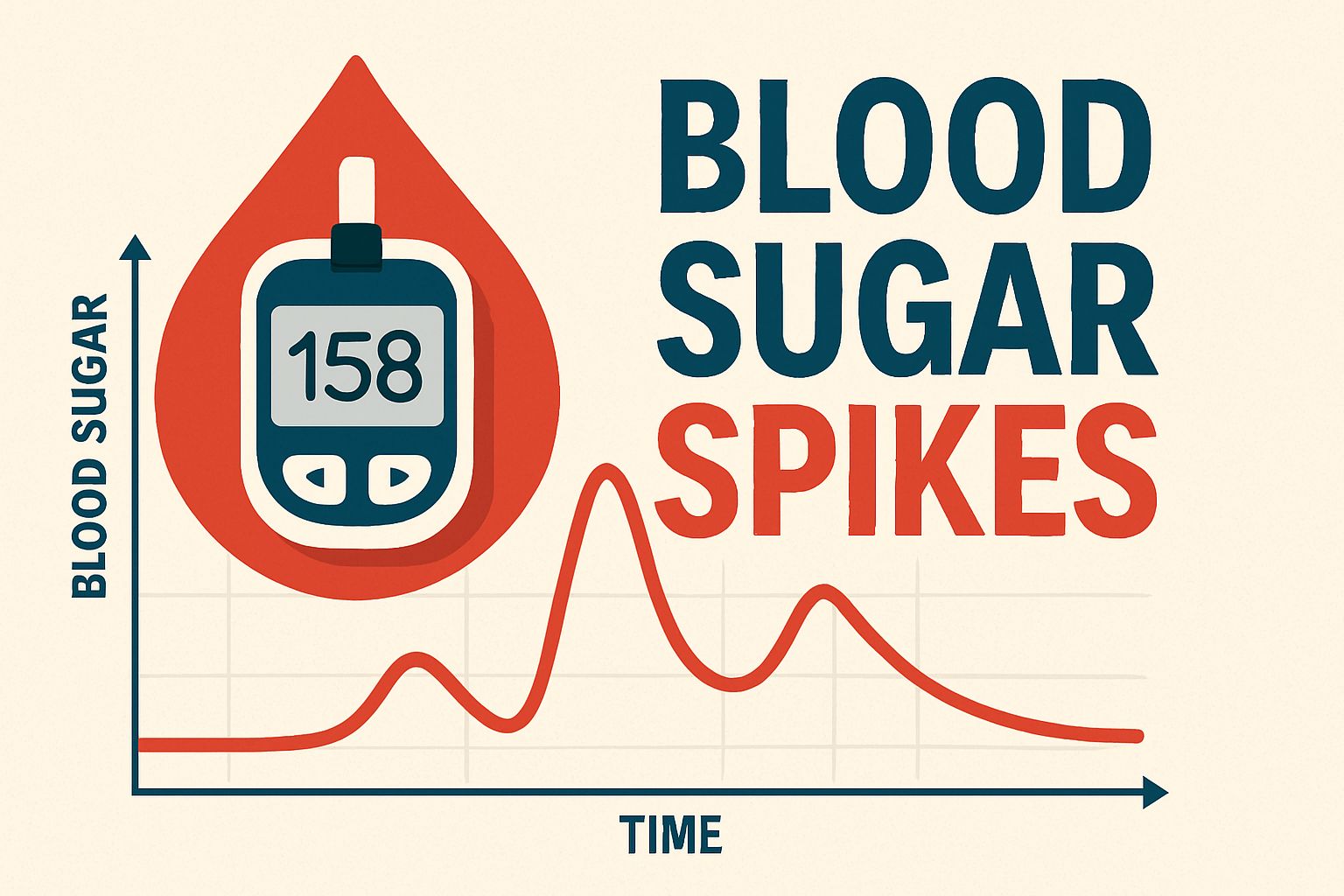
- These foods can cause a quick rise in blood sugar spikes followed by a crash
- Eating high-glycemic foods often can make insulin resistance worse over time
These foods’ effects on blood sugar aren’t just a problem for people with diagnosed diabetes. Almost half of adults in the U.S. have prediabetes or diabetes. This means half of all people should be careful about how these staple foods affect their metabolic health. Eating these foods in their usual forms often can lead to worse insulin sensitivity and metabolic dysfunction.
The Real Deal About Carbs and Blood Sugar Control
Contrary to what some stringent diets may imply, carbohydrates are not intrinsically “evil.” They’re our body’s favorite energy source and are packed with vital nutrients. The issue is not with carbs per se, but with how fast some types elevate blood sugar and how much of them we eat.
How Eating Starchy Foods Can Spike Your Blood Sugar
When you eat starchy foods, your digestive system breaks them down into glucose, which is then absorbed into your bloodstream. Your pancreas then releases insulin to help your cells take in this glucose for energy. If you have insulin resistance or diabetes, this process doesn’t work as well, which can lead to higher and longer-lasting blood sugar spikes. How quickly this happens depends a lot on the food’s structure, how much fiber it has, and what else you eat with it. Refined starches that don’t have much fiber, like white bread or white rice, are broken down quickly and can cause big spikes in blood sugar, while whole grains usually cause smaller, slower increases.
Carbs Aren’t All the Same
The structure and makeup of starchy foods like bread, rice, and potatoes play a large role in how they impact your blood sugar. Whole grain bread with intact kernels will have a much gentler effect on your blood sugar than highly processed white bread. Brown rice still has its fibrous bran layer, which slows digestion compared to white rice. Potatoes can vary too – white potatoes generally cause sharper spikes than varieties with more pigmentation like purple potatoes.
How you prepare a food can have a huge impact on how it affects your blood sugar, even if it’s the same type of food. For example, a boiled potato will affect your blood sugar differently than a baked potato or potato chips. The way the food is processed, how it’s cooked, and what you eat with it all play a role in its final glycemic impact.
Resistant starch is another key player – this is a kind of carbohydrate that “resists” being broken down in the small intestine and behaves more like fiber. Foods that are high in resistant starch result in smaller glucose responses and can even enhance insulin sensitivity over time. Interestingly, you can boost the resistant starch content in foods such as rice and potatoes by simply changing how you cook them. For more insights on how carbohydrates affect your body, you might want to explore the impact of gut health on overall wellness.
Why “Just Avoid Carbs” Isn’t Practical Advice
Bread, rice, and potatoes are dietary staples across virtually every culture on earth. They’re affordable, versatile, satisfying, and deeply ingrained in our food traditions. Telling someone to simply “avoid carbs” isn’t just impractical – it’s unnecessary when we have evidence-based strategies to make these foods more blood sugar friendly. Rather than elimination, a more sustainable approach focuses on better choices, proper preparation, mindful portions, and strategic food pairing. This balanced method allows you to maintain cultural food connections and meal satisfaction while still protecting your metabolic health.
7 Clever Ways to Eat Bread Without Spiking Your Blood Sugar
Just because you’re keeping an eye on your blood sugar doesn’t mean you have to eliminate bread from your diet. By making smart decisions and using the right strategies, you can still enjoy this essential food while keeping your glucose levels steady. The trick is knowing which breads cause less severe spikes and how to include them in a balanced meal. For those interested in overall health, exploring natural nootropics might also be beneficial.
1. Opt for Whole Grain Instead of White Bread
Whole grain bread is composed of the entire grain kernel—bran, germ, and endosperm—making it a much richer source of fiber compared to refined white bread. This fiber decelerates digestion and the release of glucose into your bloodstream, which in turn leads to a slower increase in blood sugar levels. Make sure to select bread where “whole grain” is listed as the first ingredient, and take note of the fiber content—your goal should be at least 3 grams per slice. Genuine whole grain breads often contain visible seeds and grains and are denser in texture compared to highly processed alternatives. For more insights on how dietary choices affect your health, you might find this article on how your gut affects your brain health interesting.
2. Keep an Eye on Portion Sizes
Even if you’re eating the healthiest whole grain bread, it can still affect your blood sugar if you eat too much of it. Be mindful of portion sizes by only eating one slice at a time, or make open-faced sandwiches. Some people find that they do well with specialty breads that are sliced thinner, which gives them the satisfaction of eating bread but with fewer carbs. Keep in mind that the bread servings at restaurants are usually too big—a single breadstick or dinner roll can have the same amount of carbs as two or three regular slices.
3. Add Protein and Fat to Your Sandwich
Never eat bread alone—what nutritionists sometimes call “naked carbs.” Always pair bread with protein sources like eggs, chicken, tuna, or tofu, and include healthy fats such as avocado, olive oil, or nut butters. These additions slow digestion significantly, resulting in a more gradual glucose response. A simple example: instead of just toast with jam (which would spike blood sugar rapidly), try toast with almond butter and a sprinkle of cinnamon for a more balanced option that provides sustained energy.
4. Choose Sourdough Bread
The fermentation process used to make sourdough bread results in beneficial acids that slow down the rate at which glucose enters your bloodstream. Studies have shown that sourdough bread results in a lower glycemic response than regular bread, even when made with the same flour. The longer fermentation time breaks down some of the starches before they reach your digestive system, and the acids created during fermentation help slow stomach emptying. Look for authentic sourdough with a short ingredient list and distinctive tangy flavor—many commercial “sourdough” breads don’t undergo true fermentation.
5. Save Bread for Last
The sequence in which you eat your food can have a big impact on blood sugar levels. Rather than eating bread first (which is often the case at restaurants), start with vegetables, protein, and fats. By the time you eat the bread, your stomach will already have food in it that slows down the absorption of carbohydrates. This easy sequencing trick can lower post-meal glucose spikes by up to 30% according to some studies, and it doesn’t require any special ingredients or preparation.
5 Ways to Enjoy Rice Without Worrying About Your Blood Sugar Spiking
Rice is a common food for billions of people all over the world, but it can have a significant impact on blood sugar levels, especially when it’s plain white rice. Luckily, there are some easy ways to prepare this staple food that can make it better for your blood sugar. These methods don’t just lower the impact on your blood sugar—they can also make the rice more nutritious.
1. Opt for Brown or Wild Rice
White rice has its fibrous bran and nutrient-rich germ layers removed during processing, but brown rice retains these components. This not only slows digestion, but also provides essential micronutrients like magnesium and B vitamins that are crucial for metabolic health. Wild rice, on the other hand, is even more beneficial. It has a higher protein and fiber content and contains beneficial antioxidants due to its dark pigmentation. Switching from white to brown rice doesn’t have to be sudden. Many people find it easier to adjust to the nuttier taste and firmer texture of whole grain options by starting with blends that contain multiple rice varieties.
2. Prepare Your Rice and Then Chill It
One of the most effective ways to lower the glycemic index of rice is to cook it and then cool it, which increases the amount of resistant starch. Simply prepare the rice as you usually would, then put it in the fridge for at least 12 hours before you eat it. This cooling process turns some of the starch that can be digested into resistant starch, which behaves more like fiber in your body.
Resistant starch travels through the small intestine without being digested, which results in a lesser increase in blood sugar. The good news is that you can reheat the rice before you eat it and still enjoy the benefits. Studies have shown that this easy method can decrease the glycemic effect of rice by 10-15%. The resistant starch that this process creates also nourishes good bacteria in the gut, which offers more metabolic advantages. To understand more about how your gut affects your overall health, you can read about gut and brain health.
3. Incorporate Vinegar Into Your Cooking
Throwing in a tablespoon of vinegar (like apple cider vinegar or rice vinegar) to the water you’re using to cook rice can drastically reduce its glycemic index. The acetic acid in vinegar messes with the digestive enzymes that work to break down starch, which leads to slower carbohydrate digestion and a more steady release of glucose. This method is especially effective when used in conjunction with the cook-cool method to create the most resistant starch possible, and the slight enhancement in flavor can actually make the rice taste better while also helping to regulate blood sugar.
4. Mix Rice with Vegetables High in Fiber
Instead of eating large amounts of plain rice, try combining it with non-starchy vegetables. This will lower the carbohydrate concentration and increase the fiber, vitamins, and antioxidants. You can make cauliflower rice blends, stir-fries with plenty of vegetables, and grain bowls that balance rice with proteins and colorful produce. These are all great ways to enjoy rice while keeping your blood sugar under control. Additionally, understanding how your diet affects your overall health can be beneficial, as discussed in this article on how your gut affects your brain health.
Think about classic food duos like rice and beans that are staples in many diets. These pairings naturally even out the glycemic load while also offering complementary proteins and micronutrients. The fiber in beans helps slow down digestion, and their protein helps maintain steadier blood sugar levels compared to just eating rice by itself.
How to Prepare Potatoes for Diabetics
While potatoes have one of the highest glycemic loads of any food, that doesn’t mean you have to give them up entirely. By preparing them strategically and pairing them with the right foods, you can significantly reduce their impact on your blood sugar and still enjoy their delicious taste and versatility.
Chilling Your Spuds
Just like rice, potatoes can also form resistant starch when cooked and then cooled. Boil your potatoes until they’re soft, then stick them in the fridge for a minimum of 24 hours before you eat them. Cooling them down changes some of the starch that can be digested into resistant starch, which travels through your gut without being broken down into glucose. You can heat these potatoes back up to eat them and you won’t lose the benefits for your blood sugar. A great example of how to use this trick in a tasty way is to make a potato salad with chilled potatoes, olive oil, vinegar and some veggies. For more insights, consider understanding how your gut affects your brain health.
Healthier Potato Types for Blood Sugar Management
Not all potatoes are created equal when it comes to blood sugar. Typically, waxy potatoes with less starch, such as red-skinned, fingerling, and new potatoes, have less of an effect on blood glucose than starchy potatoes like russets. Colorful potatoes, especially purple and blue ones, contain healthy plant compounds known as anthocyanins that might help with insulin sensitivity. These colored potatoes usually have a lower glycemic index than white potatoes, and they offer extra antioxidant benefits.
Even though they’re called sweet potatoes, they often have a lower glycemic impact than white potatoes because of their fiber content and the types of starch they contain. They’re naturally sweet, so you’re less likely to put toppings on them that are full of sugar. This makes them a better choice overall for managing your blood sugar.
How to Cook to Lower Blood Sugar Impact
The way you cook potatoes can greatly change their impact on your blood sugar. Boiling potatoes keeps their structure intact and results in the lowest glycemic response. Steaming has similar benefits. On the other hand, cooking methods that remove moisture and increase surface area—like baking, mashing, or frying—cause faster digestion and higher glucose spikes. Just changing from baked potatoes to boiled can lower the glycemic impact by 25-30%. If you do bake potatoes, eating them with the skin on and adding protein and fat can help lessen blood sugar spikes.
Top Tips for Eating Potatoes to Avoid Blood Sugar Spikes
Never eat potatoes on their own. Adding olive oil, butter or Greek yogurt provides fats that slow down digestion. Acidic toppings like vinegar-based dressings or lemon juice can reduce the glycemic impact by up to 30%. Spices like cinnamon, turmeric and black pepper not only enhance flavor but also contain compounds that support healthy glucose metabolism. Traditional cultural pairings often intuitively combine potatoes with ingredients that balance their glycemic effect—consider Mediterranean potato dishes with olive oil and vinegar or Indian preparations with turmeric and other spices.
Understanding Food Pairing for Balanced Blood Sugar
Food pairing is a powerful, yet often overlooked strategy for managing blood sugar. By understanding how different nutrients interact during digestion, you can turn foods that might cause blood sugar spikes into balanced meal components that support your metabolism. For those interested in enhancing their cognitive function and metabolism, this approach can be particularly beneficial.
Why You Should Eat Fiber First
Eating fiber-rich vegetables at the beginning of your meal can create a physical barrier in your digestive system that slows the absorption of the carbohydrates you eat afterward. Studies have shown that eating a salad or vegetable soup before your main course can lower your glucose levels by 20-30% after you eat. This is because the fiber turns into a gel-like substance in your intestines that slows down the release of glucose into your bloodstream. This method can be used with any meal that includes starchy foods like bread, rice, or potatoes. It doesn’t require any special ingredients or ways of preparing your food, you just have to change the order of the foods you were already planning to eat.
Protein Power: How Much You Need Before Carbs
Protein helps slow down digestion and moderate insulin response by releasing certain hormones. Research has found that eating just 15-20 grams of protein (about 2-3 ounces of meat, fish, or tofu) before carbohydrates can significantly lower blood sugar levels after meals. This effect is especially strong when combined with fiber and fat. In practical terms, this means starting your meal with a food high in protein or making sure your first few bites include protein along with any starches. The protein-first approach doesn’t just benefit blood sugar—it also increases feelings of fullness, which could lead to eating fewer calories overall at meals.
Vinegar’s Impact on Blood Sugar Levels
Acetic acid, the active ingredient in vinegar, temporarily blocks the enzymes that digest starch, and slows the emptying of the stomach. Consuming just 1-2 tablespoons of vinegar (like apple cider vinegar diluted in water) before or during a meal high in carbohydrates can reduce blood sugar spikes after the meal by 20-40%. This effect works with all starchy foods, including bread, rice, and potatoes. The vinegar effect appears to be most potent in people with prediabetes or diabetes, but it also benefits those with normal blood sugar levels. For those who don’t like the taste of vinegar, fermented foods like sauerkraut, kimchi, or vinaigrette dressings offer similar benefits and enhance the taste of food.
Healthy Fats That Slow Digestion
Fats are a significant factor in slowing down gastric emptying, which leads to a slower release of glucose into the bloodstream. The best fats for managing blood sugar include monounsaturated fats, which can be found in sources like olive oil, avocados, and most nuts, and omega-3 fats, which are found in fatty fish, flaxseeds, and walnuts. These healthy fats not only blunt glucose spikes but also reduce inflammation and improve insulin sensitivity when eaten regularly. Practical ways to incorporate these into your diet include drizzling olive oil on bread, adding avocado to your sandwich, or including nuts with your breakfast cereal or morning toast.
Everyday Meal Ideas for Stable Blood Sugar
Applying scientific facts to your daily meals doesn’t have to be hard. These real-life examples show you how to eat bread, rice, and potatoes while keeping your blood sugar steady. They use smart food combos and cooking methods. By using these tips, you can turn foods that might be problems into healthy, balanced meals that help your metabolism.
Think of these examples as guidelines, not strict rules. The important thing is to use the principles of fiber, protein, fat, and acid in ways that match your taste and cultural food traditions. With practice, you can create meals that help keep your blood sugar steady without always having to calculate or measure.
What to Eat for Breakfast
Instead of having simple toast with jam (which has a high glucose impact), try having a slice of whole grain sourdough bread topped with mashed avocado, a poached egg, and a sprinkle of everything bagel seasoning. The fiber from the whole grain, the protein from the egg, and the healthy fats from the avocado all work together to create a breakfast that is friendly to your blood sugar and will keep you feeling full for hours. The fermentation process in sourdough also helps to reduce the glycemic impact.
A great alternative is overnight oats made from steel-cut oats. These have a lower glycemic impact compared to instant oats, and when you add chia seeds for extra fiber, Greek yogurt for protein, and a small amount of berries for flavor and antioxidants, you have a perfect meal. The process of soaking the oats overnight breaks down some of the starches, reducing their impact on blood sugar. Plus, the protein and fat from the yogurt and chia seeds help create a balanced meal that supports stable glucose levels throughout the morning.
Lunch Pairings
Turn a potentially harmful sandwich into a meal that’s kind to your blood sugar by using thinly sliced pumpernickel or real whole grain bread, filling it with protein like tuna or chicken, adding avocado or an olive oil-based spread instead of mayonnaise, and including lots of non-starchy veggies like lettuce, tomato, cucumber, and sprouts. Begin your meal with a small side salad dressed with vinaigrette to further soften the glycemic impact of the bread. Prioritizing a balanced diet is essential for maintaining overall health, much like how to prioritize mental health in daily life.
Evening Meal Ideas
Instead of having a large portion of white rice as the main part of your meal, try using cauliflower rice with a smaller amount of brown rice that has been cooled and reheated, topped with a protein and plenty of vegetables that have been sautéed in olive oil with garlic and spices. Or, make a mixed dish where potatoes are just one ingredient among many, like a Mediterranean-style fish stew that includes small amounts of boiled potatoes along with olive oil, tomatoes, white fish, and herbs. The acidity from the tomatoes, protein from the fish, and healthy fats from the olive oil will all help to moderate the impact of the potatoes on your blood sugar.
Best Time to Check Your Blood Sugar After Consuming Carbs
Monitoring your blood glucose levels is a great way to understand how different foods and meals affect your body. For most starchy foods such as bread, rice, and potatoes, blood sugar typically peaks 45-60 minutes after eating. However, this can vary depending on the specific food, how it was prepared, what you ate with it, and your individual metabolism. To get the most comprehensive view of how your body processed the carbs, it’s best to test your blood sugar levels 1 hour and 2 hours after eating. If you’re trying out different preparation methods like the cook-cool technique or experimenting with food pairing strategies, comparing your glucose readings between different methods can help you figure out what works best for your body.
How to Manage Your Blood Sugar While Still Enjoying Your Favorite Foods
Just because you need to manage your blood sugar doesn’t mean you have to say goodbye to your favorite carbs like bread, rice, and potatoes. Instead, you can make smart choices about the types of these foods you eat, how you prepare them, how much you eat, and what you eat them with. This way, you can still enjoy these foods while also taking care of your health. The tips in this article are not only backed by science, but they’re also things that people have been doing for centuries in different cultures around the world. This shows that humans have always known how to eat carbs in a healthy way.
Keep in mind that minor tweaks can lead to major improvements. Even if you only adopt one or two of these tips—like switching to whole grains, using the cook-cool method, or adding vinegar to your meals—you can make a noticeable difference in your body’s glucose response. With the right knowledge and practical strategies, you can keep your blood sugar steady and still enjoy satisfying, tasty meals that include your favorite foods.
Common Questions
Many people have queries about how to control blood sugar with diet, especially when it comes to mainstays like bread, rice, and potatoes. Here, we’ve answered some of the most common questions, based on the latest science and what we know from working with people to manage their blood sugar.
While these answers offer a general direction, it’s important to remember that how each person reacts to food can differ based on factors like genetics, activity level, stress, sleep quality, and more. The most accurate way to understand how certain foods affect your specific physiology is to self-monitor with a glucose meter or continuous glucose monitor.
Is it okay for me to eat bread if I have diabetes?
Yes, you can eat bread if you have diabetes. However, the type of bread you choose, the quantity you eat, and what you eat it with all play a crucial role. Opt for genuine whole grain or sourdough bread, limit your portion size (eat one slice instead of two), and always combine bread with protein, healthy fats, and fiber. For instance, instead of eating two slices of white toast with jam, have a slice of whole grain bread with almond butter and a small portion of berries. Checking your blood sugar levels before and 1-2 hours after eating different types of bread can help you figure out which ones are best suited to your body’s unique response.
What kind of rice is best for blood sugar control?
For people who need to keep an eye on their blood sugar, brown basmati rice is usually the best option out of the rice varieties that are commonly available. This is because it has a lower glycemic index than jasmine or short-grain white rice. Wild rice, which isn’t actually a true rice but is often used in the same way, is even better for blood sugar control because it has more protein and fiber. Black rice, also known as forbidden rice, has anthocyanin pigments that are good for you and might help your body use insulin more effectively. It also doesn’t cause as much of a spike in blood sugar.
Keep in mind that how you cook your food can greatly influence its glycemic impact, no matter the type. You can reduce the impact of rice on your blood sugar by cooking it with a bit of healthy fat like olive or coconut oil, letting it cool in the fridge for at least 12 hours before you heat it up again, and adding some vinegar or lemon juice. You should also be careful with your portion sizes—eating too much of even a low-glycemic type of rice can affect your blood sugar levels.
Do sweet potatoes have less of an impact on blood sugar than regular potatoes?
Compared to regular potatoes, sweet potatoes generally have a lower glycemic index, especially when you compare them to baked russet potatoes. The reason for this difference is due to their higher fiber content and unique starch composition. However, the difference is not as significant as some might think—both types of potatoes have a high carbohydrate content that will raise blood sugar. How you prepare the potatoes is also extremely important: a boiled white potato might have less of an impact on blood sugar than a baked sweet potato. Regardless of the type of potato, using cooking and cooling techniques, adding healthy fats and acids, and controlling portion sizes can all help to significantly improve their glycemic profile.
When should I take vinegar to minimize blood sugar spikes?
To get the most out of vinegar, have 1-2 tablespoons of it (mixed with water) around 10-15 minutes before eating food with carbohydrates. This timing is perfect for vinegar to block digestive enzymes and slow down the emptying of your stomach. If you can’t take vinegar before a meal, you can still get a lot of benefits by adding it to your meal as a salad dressing or sauce. Apple cider vinegar is the most researched type of vinegar, but other types like red wine, white wine, and rice vinegar have similar effects. If you don’t like the taste of vinegar, start with a small amount (1 teaspoon) and slowly increase the amount. This can help you get used to the taste while still lowering your blood sugar.
Does eating carbs at night cause higher blood sugar spikes than during the day?
Many people find that their glucose responses to the same meals are higher in the evening than they are in the morning or midday. This is due to natural circadian rhythms in insulin sensitivity, which are usually highest in the morning and lowest in the evening. However, this isn’t true for everyone—some people show little variation or even the opposite pattern. The type and makeup of the carbohydrate-containing meals you eat in the evening are more important than strict rules about when to eat. If you like to eat carbohydrates for dinner, try to focus on whole grains, legumes, and starchy vegetables cooked using the blood sugar-friendly methods described in this article, and combine them with enough protein, fiber, and healthy fats to help control your glucose levels.
If you want to know how carbs in the evening affect your body, you might want to compare your blood sugar levels after having dinner with your levels after having the same meal earlier in the day. This is the best way to understand how your body reacts to carbs.
By understanding and working with your body’s natural glucose responses, you can keep your blood sugar stable while still eating satisfying meals that include your favorite foods.
Blood sugar spikes can be a concern for many people, especially when consuming carbohydrate-rich foods like bread, rice, and potatoes. Understanding how to manage these spikes is crucial for maintaining overall health. By choosing whole grain options and pairing them with protein or healthy fats, you can help stabilize your blood sugar levels. Additionally, incorporating foods that support brain health, such as natural nootropics, can be beneficial. Learn more about natural nootropics and their benefits for a comprehensive approach to health.