









Key Takeaways
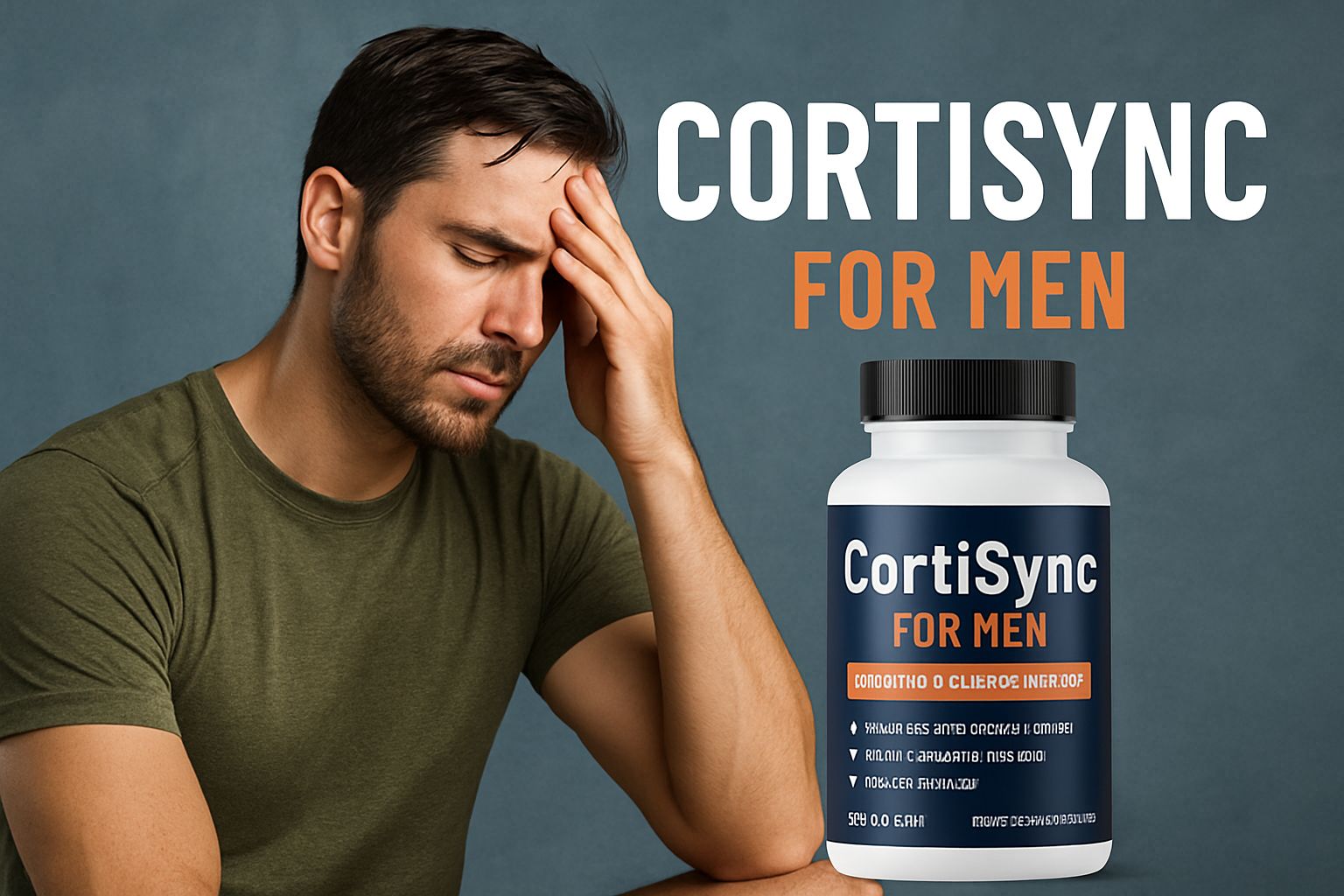
- High cortisol levels can lead to weight gain, fatigue, and reduced testosterone in men, with PrimeGENIX CortiSync offering a natural solution to regulate these levels within two weeks.
- CortiSync’s adaptogenic formula works differently than stimulant-based supplements, supporting the body’s natural stress response without creating dependency.
- Men face unique cortisol challenges due to the testosterone-cortisol seesaw effect, making targeted solutions especially important for male hormonal health.
- Physical warning signs of high cortisol include stubborn belly fat, sleep disturbances, and reduced recovery capacity after workouts.
- Combining CortiSync with strategic lifestyle modifications like sleep optimization and digital detox protocols can amplify results by 30-40%.
Your body’s stress hormone might be silently sabotaging your health, performance, and quality of life. For men especially, high cortisol levels create a cascade of problems that conventional approaches often miss or mismanage. While many struggle with these symptoms, solutions like PrimeGENIX CortiSync are changing how men address this fundamental hormonal imbalance by targeting the root cause rather than merely masking symptoms.
The modern man faces unprecedented cortisol challenges—from digital overload and work pressures to environmental factors that our ancestors never encountered. These stressors keep our bodies in a constant “fight or flight” state, pumping out cortisol at rates that wreak havoc on our physical and mental wellbeing. CortiSync by PrimeGENIX has emerged as a leading natural solution in this space, with users reporting significant improvements in stress levels, focus, and energy within just two weeks of consistent use.
Most men don’t realize they’re suffering from cortisol imbalance until several systems begin breaking down simultaneously. By then, the impact on everything from muscle mass to mental clarity is already substantial. Understanding this hormone’s profound effects—and how to naturally regulate it—might be the missing piece in your health strategy.
Article at a Glance
Cortisol—often called the “stress hormone”—serves critical functions in the body when properly balanced. However, in our high-stress world, many men experience chronically elevated cortisol levels that trigger a domino effect of health problems. This article explores how cortisol affects men specifically, why traditional approaches often fall short, and how CortiSync’s adaptogenic formula works with your body’s natural systems to restore balance. We’ll also cover practical strategies to maximize results and what realistic expectations look like over time.
Whether you’re experiencing unexplained weight gain, energy crashes, mood fluctuations, or decreased performance—cortisol may be the hidden culprit. And unlike many health challenges that require complex interventions, cortisol regulation can produce rapid, noticeable improvements across multiple systems when approached correctly.
The Cortisol Crisis: How Stress Hormones Are Sabotaging Men’s Health
- Cortisol triggers insulin resistance, leading to stubborn belly fat that won’t respond to diet or exercise
- Elevated cortisol suppresses testosterone production, affecting everything from libido to muscle maintenance
- Sleep quality deteriorates with high cortisol, creating a vicious cycle of further hormonal disruption
- Cognitive function suffers, with many men reporting “brain fog” and difficulty concentrating
- Recovery capacity diminishes, making workouts less effective and injuries more common
We’re experiencing a silent epidemic of cortisol dysfunction. While occasional stress is normal and even beneficial, our bodies weren’t designed to handle the constant cortisol bath that modern life creates. This ongoing hormonal imbalance doesn’t just make you feel bad—it fundamentally alters your physiology in ways that accelerate aging and compromise performance.
Most concerning for men is cortisol’s antagonistic relationship with testosterone. When cortisol rises, testosterone typically falls, creating a hormonal environment that works against everything most men want: muscle maintenance, fat loss, energy, drive, and cognitive sharpness. Studies show that men with chronically elevated cortisol experience up to 40% reduction in free testosterone levels, with cascading effects throughout the body.
The traditional approach of “pushing through” stress actually compounds the problem. Each time you force yourself to power through fatigue using willpower or stimulants, you’re likely driving cortisol higher and creating a deeper deficit that becomes increasingly difficult to recover from. This explains why many men hit a wall in their 40s that seems to come out of nowhere—it’s actually the accumulated effect of years of cortisol mismanagement.
Signs Your Cortisol Levels Are Out of Control
Recognizing cortisol imbalance early can prevent years of struggle and health deterioration. Unlike many hormonal issues that require complex testing, cortisol problems often announce themselves through a constellation of symptoms that, when viewed together, paint a clear picture. The challenge is that many men attribute these symptoms to “just getting older” or “being busy” rather than recognizing them as a treatable hormonal pattern.
Your body is likely sending signals that cortisol regulation needs attention. Addressing this underlying imbalance often resolves multiple seemingly unrelated symptoms simultaneously, which is why targeted solutions like CortiSync can create such dramatic quality-of-life improvements for many men.
Physical Warning Signals
Your body communicates cortisol overload through specific physical changes that often resist traditional interventions. The most telling sign is increased abdominal fat—particularly the hard, visceral fat around organs that doesn’t respond well to diet changes or increased exercise. You might also notice slower recovery from workouts, with muscles remaining sore longer than they should. Sleep disturbances typically manifest as either difficulty falling asleep (despite feeling exhausted) or waking between 2-4am with racing thoughts. Other physical indicators include elevated blood pressure, digestive issues that worsen during stressful periods, and a weakened immune system that leaves you catching whatever bug is going around.
Mental and Emotional Red Flags
Cognitive function often takes a significant hit when cortisol remains elevated for extended periods. Many men report a mental “heaviness” that makes concentration difficult and decision-making feel unusually taxing. This mental fog typically worsens as the day progresses, with many experiencing their worst cognitive function in the mid-afternoon—precisely when important decisions often need to be made. Mood volatility is another telltale sign, with reactions that seem disproportionate to actual events.
Anxiety patterns change as well, with many men developing specific worry habits around sleep, health, or performance that weren’t present before cortisol disruption. Perhaps most concerning is the gradual dulling of pleasure responses—activities and relationships that once brought joy now feel flat or require more stimulation to generate the same satisfaction. This emotional numbing drives many men to seek increasingly intense experiences or substances to feel normal.
The mental-emotional impact of high cortisol often feels like premature aging of the brain. Tasks that once came easily now require significant effort, and the mental resilience that allowed you to bounce back from setbacks diminishes. This cognitive decline isn’t irreversible, however—it’s often one of the first aspects to improve when cortisol levels are properly regulated.
Performance and Energy Indicators
Your performance capacity—whether athletic, professional, or personal—provides some of the clearest indicators of cortisol disruption. Most noticeable is the energy roller coaster: rather than stable, sustained energy throughout the day, men with cortisol issues experience dramatic peaks and valleys. Morning grogginess that requires caffeine to overcome, mid-day crashes that demand sugar or stimulants, and evening exhaustion that paradoxically transforms into restlessness at bedtime create a predictable pattern.
Athletic performance suffers in specific ways too. Maximum strength might remain relatively stable, but endurance, power output, and consistency between workouts typically decline. Many men report that they can still “get up” for occasional big efforts but lack the day-to-day reliability they once had. Recovery capacity diminishes significantly, with muscles remaining sore and joints stiff for longer periods after exertion.
Perhaps most frustrating is the disconnect between intention and execution. Men with cortisol issues often maintain strong motivation and goals but find themselves unable to consistently implement their plans. This isn’t a willpower or discipline problem—it’s a physiological energy management issue stemming from hormonal dysregulation that can be effectively addressed.
Why Men Are Particularly Vulnerable to Cortisol Damage
While everyone experiences stress, men face specific biological vulnerabilities that make cortisol regulation particularly crucial. Understanding these unique male challenges helps explain why targeted approaches like CortiSync—rather than generic stress management techniques—often produce more significant results for men. The male hormonal system responds to stress in ways that can create more pronounced downstream effects than typically seen in women.
Testosterone-Cortisol Connection
The relationship between testosterone and cortisol creates a particularly problematic dynamic in men. These hormones operate on a biochemical seesaw—when one rises, the other tends to fall. Chronically elevated cortisol signals your body to reduce testosterone production, creating a cascade of negative effects from reduced muscle mass to diminished drive and confidence. This hormonal interplay explains why stress management isn’t just about feeling better emotionally—it directly impacts the primary male hormone responsible for physical vitality and performance. For more insights into managing hormonal changes, explore our guide on andropause and male menopause.
What makes this relationship especially troublesome is the vicious cycle it creates. As testosterone decreases, the body becomes less resilient to stress, which then triggers more cortisol production. Research shows that men with optimal testosterone levels demonstrate better stress regulation, while those with lower levels experience more pronounced cortisol spikes from identical stressors. CortiSync addresses this dynamic by supporting both sides of the equation—reducing excessive cortisol while removing obstacles to healthy testosterone production.
The testosterone-cortisol ratio has emerged as a key marker of overall male health and functional capacity. Men who maintain optimal balance between these hormones report better body composition, energy levels, and psychological wellbeing than those with disrupted ratios, regardless of their absolute hormone levels. This insight has shifted the focus from simply boosting testosterone to creating hormonal harmony through targeted cortisol management.
Male Stress Response Patterns
Men typically exhibit distinct physiological stress responses that can make cortisol management more challenging. Studies show men generally produce more epinephrine (adrenaline) alongside cortisol during stress responses, creating a more intense initial reaction. This stronger acute response can provide advantages in emergency situations but becomes problematic when triggered repeatedly throughout daily life. For more insights into hormonal responses, explore the facts and fiction about human growth hormone.
Male stress responses also tend to be more persistent. Research indicates that after a stressful event, men’s cortisol levels typically remain elevated 60-90 minutes longer than women’s, extending the window of potential hormonal disruption. This prolonged response partially explains why chronic stress often manifests as physical symptoms in men more quickly than emotional ones—the body simply spends more time in a biochemically stressed state.
- Men produce 52% more cortisol than women during acute stressors
- Male cortisol clearance takes approximately 3 hours versus 1.5-2 hours in women
- Stress-induced inflammation markers remain elevated longer in male subjects
- Testosterone suppression begins after just 30-40 minutes of elevated cortisol
- Sleep architecture changes occur more rapidly in men under chronic stress
Career and Social Pressure Impacts
Beyond biological factors, men often face unique social and professional stressors that compound cortisol issues. Traditional male roles typically discourage expressing vulnerability or seeking support during stressful periods, leading many men to internalize tension rather than process and release it. This “pressure cooker” approach to stress management significantly increases allostatic load—the physiological cost of chronic stress—and makes natural cortisol regulation more difficult. For more insights on managing stress, you can read about CortiSync by PrimeGENIX.
Competitive work environments frequently reward stress behaviors that actually worsen cortisol patterns. Pushing through exhaustion, sacrificing sleep for productivity, and maintaining constant digital connectivity are often celebrated as dedication rather than recognized as hormonal sabotage. This creates a challenging situation where behaviors that gain short-term professional approval actively undermine the hormonal foundation required for long-term performance and health.
Social connection—a proven stress buffer—tends to decrease for many men in their 30s and 40s, precisely when career and family responsibilities intensify. This reduction in protective social factors comes at the worst possible time from a hormonal perspective, removing a natural cortisol regulation mechanism just when it’s most needed. The combination of increased stressors and decreased stress-management resources creates the perfect storm for cortisol dysfunction.
How CortiSync Works to Rebalance Hormones
Unlike general supplements that might boost energy or temporarily mask symptoms, CortiSync takes a fundamentally different approach by addressing the root hormonal mechanisms of stress response. PrimeGENIX has developed a targeted formula that works with—rather than against—your body’s natural regulatory systems. This respect for physiology explains why users report sustainable improvements rather than the diminishing returns typical with stimulant-based products.
Key Adaptogenic Ingredients
At the core of CortiSync’s effectiveness is its proprietary blend of adaptogenic herbs and compounds specifically selected for their cortisol-modulating properties. Unlike generic stress supplements, each ingredient has been chosen based on clinical research demonstrating effects on specific aspects of the stress response system. The formula works through multiple complementary pathways rather than relying on a single mechanism of action.
Ashwagandha KSM-66® serves as the cornerstone ingredient, shown in studies to reduce cortisol levels by up to 27% while simultaneously improving sleep quality and recovery. This dual action addresses both the hormonal imbalance and its downstream effects. Complementing this is Rhodiola rosea, which helps normalize cortisol rhythms throughout the day rather than simply suppressing levels, allowing for appropriate stress responses when needed while preventing chronic elevation.
Other key ingredients include Phosphatidylserine, which specifically targets exercise-induced cortisol spikes; L-Theanine for promoting alpha brain wave activity and mental calmness without sedation; and Magnesium Glycinate, which supports GABA function and neuromuscular relaxation. This comprehensive approach addresses stress at multiple levels—from hormonal production to neurotransmitter activity to cellular resilience.
The Science Behind Cortisol Regulation
CortiSync’s effectiveness stems from its sophisticated approach to hormonal homeostasis rather than brute-force suppression. The formula works primarily by modulating the hypothalamic-pituitary-adrenal (HPA) axis—the body’s central stress response system. By calibrating this master control network, CortiSync helps restore natural cortisol rhythms rather than artificially manipulating levels.
A key mechanism involves optimizing cortisol receptor sensitivity and feedback loops. Many men with chronic stress develop cortisol resistance similar to insulin resistance, where cells become less responsive to the hormone despite elevated levels. CortiSync’s adaptogenic compounds help recalibrate these receptors, allowing the body to respond appropriately to genuine stressors while maintaining lower baseline levels. This explains why users report feeling more resilient to stress rather than simply numbed to it.
The formula also addresses the often-overlooked inflammatory component of stress. Chronic cortisol elevation creates a pro-inflammatory state that further disrupts hormonal signaling and accelerates cellular aging. By including compounds with specific anti-inflammatory properties, CortiSync breaks this inflammatory cycle and creates an internal environment more conducive to hormonal balance and recovery.
Timing and Dosage for Maximum Effectiveness
CortiSync’s effectiveness depends not just on what you take but when and how you take it. Unlike many supplements that require multiple doses throughout the day, CortiSync is designed for single daily dosing, typically with breakfast. This timing works with your body’s natural cortisol rhythm, which normally peaks in the morning and gradually declines throughout the day. By supporting healthy cortisol management early, the entire day’s pattern improves.
Consistency proves more important than quantity with adaptogenic formulations. Research shows that steady, moderate dosing creates more sustainable hormonal adaptations than intermittent high doses. This reflects how adaptogens work—not as quick-acting drugs but as biological response modifiers that gradually retrain your stress response systems. Most users find that benefits accumulate and deepen over the first 2-3 weeks of consistent use.
For optimal absorption, take CortiSync with a meal containing some healthy fat, as many adaptogens are fat-soluble compounds. This simple step can improve bioavailability by 30-40% compared to taking the supplement on an empty stomach or with only water. PrimeGENIX has specifically designed CortiSync’s delivery system to maximize absorption, but proper timing and food pairing further enhance its effectiveness.
5 Lifestyle Changes That Enhance CortiSync’s Effectiveness
While CortiSync provides powerful cortisol support on its own, certain lifestyle modifications can dramatically amplify its effects. Think of these practices not as separate interventions but as synergistic enhancements that multiply the formula’s impact. When combined with consistent CortiSync usage, these strategies create an environment where hormonal balance can flourish.
1. Sleep Optimization Techniques
Quality sleep serves as the foundation of hormonal regulation, with each sleep cycle providing an opportunity for cortisol reset and testosterone production. The most impactful change is maintaining consistent sleep-wake times—even on weekends—as this anchors your cortisol rhythm more effectively than total sleep duration. Creating a true darkness environment by eliminating all light sources (including electronics) triggers melatonin production, which directly counters cortisol and deepens sleep quality.
Temperature regulation significantly impacts hormonal recovery during sleep. Research shows that sleeping in a cool environment (60-67°F) enhances growth hormone secretion and improves deep sleep phases when cortisol regulation primarily occurs. For many men, this single adjustment improves sleep quality more than any supplement or medication.
Consider implementing a consistent 20-minute wind-down ritual before bed that includes no screens, minimal light, and a relaxation technique like diaphragmatic breathing. This transition period signals your brain to begin reducing cortisol production and preparing for sleep-phase hormonal shifts. When combined with morning CortiSync dosing, this evening routine creates a complete 24-hour hormonal optimization strategy.
2. Strategic Exercise Timing
Exercise powerfully impacts cortisol, but the effect varies dramatically depending on timing, intensity, and duration. High-intensity workouts produce significant cortisol spikes that can be either beneficial or detrimental depending on when they occur. For most men taking CortiSync, scheduling intense training in the late afternoon (4-6pm) provides the optimal hormonal response—enough intensity to trigger beneficial adaptations without disrupting the natural cortisol decline needed for evening recovery. For those interested in enhancing their overall health, consider exploring DNA testing for health and wellness insights.
Incorporate regular low-intensity movement throughout the day rather than remaining sedentary between workouts. Even brief 2-3 minute movement breaks every hour significantly improve cortisol clearance and insulin sensitivity. This “movement snacking” approach maintains metabolic flexibility without triggering additional stress responses.
Pay special attention to recovery modalities as these directly impact how quickly cortisol returns to baseline after exertion. Techniques like contrast showers (alternating 20 seconds cold, 10 seconds warm for 3-5 minutes), gentle mobility work, and parasympathetic breathing exercises accelerate the transition from sympathetic to parasympathetic dominance, allowing CortiSync’s ingredients to work more effectively.
3. Anti-Inflammatory Eating Pattern
Dietary choices create either a pro-inflammatory or anti-inflammatory internal environment, directly impacting cortisol regulation. Focus on maintaining stable blood sugar levels throughout the day, as each blood sugar crash triggers a cortisol release to mobilize glucose. Practical approaches include ensuring each meal contains protein, fiber, and healthy fats, while limiting refined carbohydrates that cause rapid glucose fluctuations.
Timing your carbohydrate intake strategically can enhance CortiSync’s effectiveness. Consuming your largest carbohydrate portion in the evening helps lower nighttime cortisol and supports the natural transition to parasympathetic dominance. This approach, sometimes called “carb backloading,” works particularly well for men with sleep disturbances or evening anxiety patterns.
Anti-Inflammatory Foods That Support Cortisol Balance:
• Wild-caught fatty fish (omega-3s regulate cortisol production)
• Cruciferous vegetables (sulforaphane supports detoxification of stress hormones)
• Berries (anthocyanins reduce inflammation from chronic stress)
• Fermented foods (improve gut health, reducing inflammatory triggers)
• Turmeric (curcumin compounds enhance adaptogenic effects)
• Green tea (l-theanine content complements CortiSync’s formula)
4. Digital Detox Protocols
Constant connectivity creates a persistent low-grade stress response that significantly impairs natural cortisol regulation. Implementing structured breaks from digital devices—even brief ones—provides your nervous system with recovery opportunities. Start with a simple “tech sundown” practice, turning off all non-essential devices at least 90 minutes before bed to allow natural melatonin production and cortisol reduction.
The most effective digital detox strategies involve creating both temporal and spatial boundaries around technology. Designate specific tech-free zones in your home (particularly the bedroom) and tech-free times in your day (especially the first 30 minutes after waking). These boundaries help break the constant cortisol-triggering pattern of alerts, notifications, and information processing that characterizes modern digital life.
Consider implementing a weekly 24-hour period of significantly reduced digital engagement. Complete disconnection isn’t necessary—the goal is substantially lowering the cognitive and attentional demands that drive stress responses. Many CortiSync users report that this weekly reset dramatically enhances the supplement’s effectiveness by allowing deeper recovery of stress response systems.
5. Stress-Reduction Practices That Actually Work
Not all stress management techniques are equally effective for cortisol regulation. For men specifically, approaches that combine physical and mental elements tend to produce the most significant hormonal benefits. Practices like mindful movement, breathwork, and nature immersion often prove more accessible and effective than traditional seated meditation, which can initially increase frustration for many men. For those interested in cognitive enhancement and hormonal balance, exploring nootropics that support testosterone levels might offer additional benefits.
Box breathing represents one of the most efficient techniques for rapid cortisol reduction. This practice—inhaling for 4 counts, holding for 4, exhaling for 4, holding empty for 4—directly activates the vagus nerve, signaling your body to reduce cortisol production. Just 2-3 minutes performed several times daily creates measurable changes in stress hormone levels, particularly when combined with CortiSync’s adaptogenic support.
Cold exposure has emerged as a particularly effective practice for male stress resilience. Brief cold showers (starting with 15-30 seconds and gradually increasing) or structured cold immersion trigger hormetic stress responses that strengthen overall stress adaptation mechanisms. This controlled stressor ultimately improves your ability to maintain lower cortisol levels during daily challenges, creating a powerful complementary effect to CortiSync’s formula.
Real Results: What to Expect Week by Week
Understanding the typical timeline for cortisol rebalancing helps set realistic expectations and recognize progress. CortiSync works with your body’s natural regulatory systems rather than forcing artificial states, which means improvements follow a predictable pattern rather than delivering instant transformation. Most men experience a graduated response that unfolds over several weeks, with different systems responding at different rates.
First 7 Days: Initial Adaptations
The first week typically brings subtle but noticeable shifts in stress resilience and recovery capacity. Many men report improved sleep onset (falling asleep more easily) within the first 3-5 days, though full sleep quality improvements develop more gradually. Morning energy often stabilizes first, with users experiencing less reliance on caffeine to become fully alert and functional.
Cognitive improvements typically begin during this initial phase, particularly around attention span and task completion. Many users notice they can maintain focus for longer periods without mental fatigue or distraction. While physical changes aren’t yet apparent, the subjective experience of stress begins shifting, with many men reporting that identical stressors feel more manageable. To explore more about enhancing cognitive function, check out this guide on nootropics and cognitive function.
During this initial phase, the most important approach is consistency with both CortiSync usage and supportive lifestyle practices. The adaptogenic compounds are beginning to create initial changes in stress response systems, and any interruptions can reset this early progress. Morning cortisol levels are typically the first to normalize, creating a better foundation for the day.
Weeks 2-4: Energy and Performance Shifts
The second and third weeks typically bring more pronounced energy regulation throughout the day. The afternoon energy crash many men experience around 2-3pm often diminishes significantly, replaced by more stable sustained energy. Workout performance usually improves during this phase, with many users reporting better endurance and more consistent output between sessions.
Sleep architecture continues improving, with increased deep sleep and more consistent REM cycles. Most men notice they’re waking feeling genuinely refreshed rather than dragging themselves out of bed. This improved recovery translates to better stress resilience the following day, creating a positive feedback loop as cortisol patterns normalize.
Body composition changes typically begin during this phase, particularly for men who had significant cortisol-related water retention and bloating. While dramatic fat loss isn’t usually apparent yet, many notice their midsection feeling less inflamed and clothes fitting differently. Cravings for sugar and refined carbohydrates often decrease substantially as blood sugar regulation improves alongside cortisol normalization.
Long-Term Benefits After 30+ Days
The most significant and sustainable improvements typically manifest after a full month of consistent use. By this point, the adaptogenic compounds have created deeper changes in how your stress response systems function. Testosterone production usually increases as cortisol levels normalize, bringing improvements in body composition, recovery capacity, and overall vitality.
Cognitive benefits deepen considerably in this phase, with many users reporting improved decision-making under pressure, better emotional regulation, and enhanced creative problem-solving. The “mental clarity” frequently mentioned in CortiSync reviews typically refers to these higher cognitive functions rather than just basic focus and attention, which improve earlier.
Perhaps most valuable is the development of stress resilience—not just lower baseline stress but an improved ability to handle stressors without significant physiological disruption. This means quicker returns to baseline after challenging events, less carryover of stress between work and personal life, and greater capacity to maintain performance during high-demand periods. Users report that stressful situations that previously would have disrupted their entire day now create only temporary, manageable responses.