










Key Points
- Scars are formed when the skin’s healing process disrupts the balance of collagen production, causing either too much collagen (resulting in raised scars) or not enough collagen (leading to depressed scars)
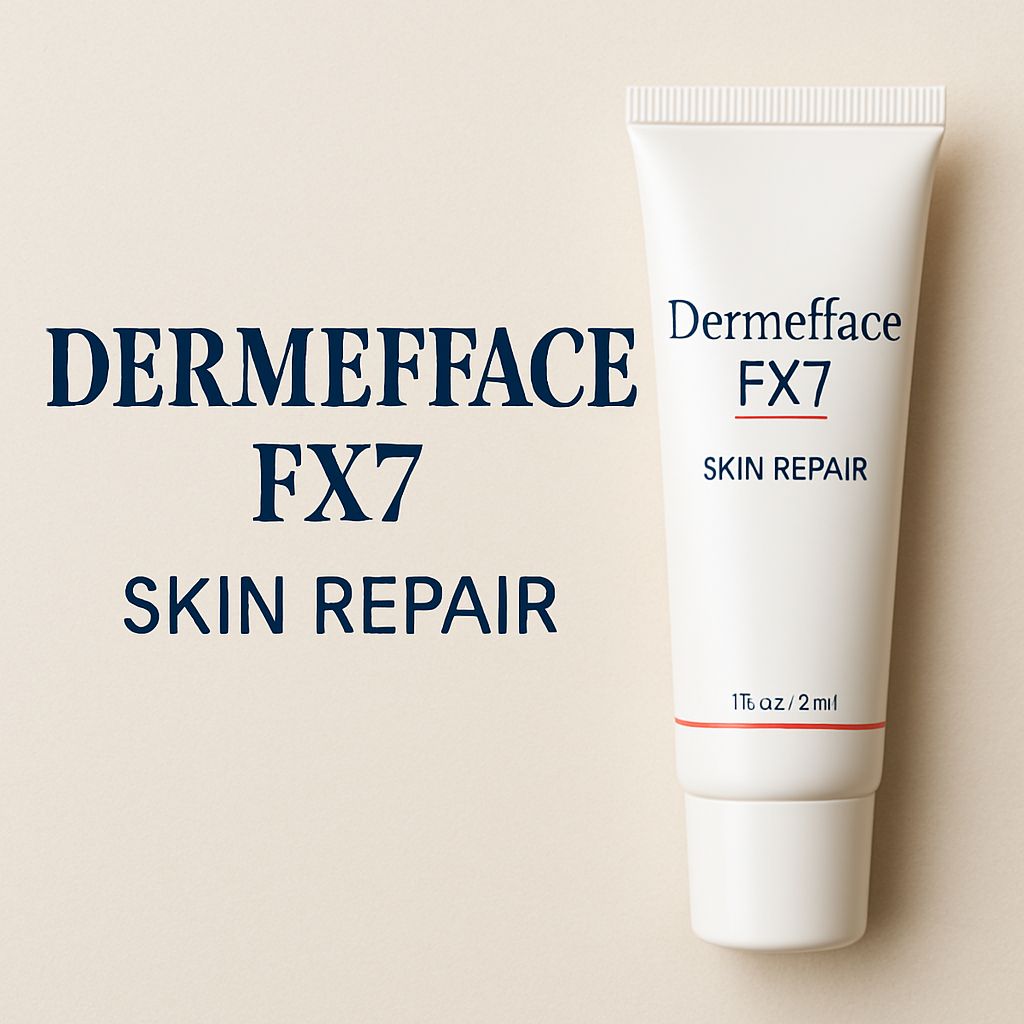
- Dermefface FX7 provides a unique formula that helps to balance collagen production in scarred areas, potentially reducing the visibility of different types of scars
- Products based on silicone, vitamin C, peptides, and certain natural extracts can effectively balance collagen production when used regularly
- Professional treatments such as microneedling and laser therapy work by causing controlled damage that triggers balanced collagen regeneration
- Daily habits including proper massage, nutrition, and sun protection are essential in supporting healthy collagen formation in scarred skin
Knowing how to balance collagen production in scars can change the way your skin looks and feels. When skin does not heal properly, the resulting scars can cause both physical discomfort and emotional distress. Dermefface FX7 skin repair therapy provides a unique way to address this imbalance in collagen, working with your skin’s natural healing mechanisms to improve the look of scars.
No matter if you’re battling scars from surgery, acne, or an accident, the secret to reducing their appearance is to normalize your skin’s collagen production. Let’s talk about why collagen is so important and how you can encourage its growth for healthier, better-looking skin.
Why Scars Appear Different: The Issue of Collagen Imbalance
Scars stand out from the surrounding skin due to what occurs beneath the surface. When your skin sustains an injury, your body quickly initiates a complex healing process that heavily depends on collagen production. This natural protein acts as the framework for new skin to grow. However, in contrast to normal skin formation, scar tissue often forms with collagen fibers arranged in one direction instead of the basket-weave pattern seen in healthy skin. This difference in alignment is what makes scars look and feel different from the surrounding tissue.
How Does Normal Skin Produce and Organize Collagen?
Collagen production in healthy skin is a finely tuned process. The fibroblast cells in the dermis (the middle layer of your skin) create collagen fibers that weave themselves into a complex, interlocking network. This network gives your skin its strength and flexibility. The production and breakdown of collagen are balanced, with old collagen being replaced at about the same rate that new collagen is produced. Also, normal skin contains a specific ratio of different types of collagen—mainly Type I and Type III—that give it its unique properties. This delicate balance results in skin that can stretch, move, and protect without any problems.
The Problem with Scar Formation
When your body is healing from an injury, it prioritizes speed over perfection. This can result in an overproduction of collagen. When your skin is damaged, inflammation signals fibroblasts to produce collagen quickly. Sometimes, this happens too quickly for the collagen to be properly organized. Instead of forming in a basket-weave pattern, the collagen fibers line up in one direction. This is what gives scar tissue its unique look and feel. In addition, the balance between collagen production and breakdown is disrupted. Either too much collagen builds up, leading to raised scars, or not enough is produced, resulting in depressed scars.
- Excessive inflammation can trigger overproduction of collagen
- Genetic factors influence how your body regulates collagen during healing
- Wound tension affects collagen alignment and organization
- Age, nutrition, and overall health impact collagen quality
- Sun exposure can further damage collagen in healing skin
Types of Scars Based on Collagen Production
The appearance of your scar directly reflects what happened with collagen during healing. Hypertrophic scars and keloids result from excessive collagen production—the body creates more collagen than necessary, resulting in raised, sometimes reddened tissue that extends beyond the original wound. These scars contain abundant, thick collagen fibers and excessive blood vessels. Conversely, atrophic scars like those from acne or chicken pox develop when insufficient collagen is produced, creating depressions or pits in the skin surface. Stretch marks represent another form of scarring where rapid skin stretching tears collagen fibers that don’t properly repair. Understanding which type of collagen imbalance caused your scar is the first step toward effectively normalizing production.
Choosing Topical Ingredients That Control Collagen Production
Identifying the correct topical ingredients can greatly help in normalizing collagen production in scars. Products such as Dermefface FX7 incorporate several active ingredients that are specifically designed to tackle the collagen imbalance that results in visible scarring. These specialized formulations operate by sending the right signals to your skin cells, prompting them to synthesize and organize collagen properly instead of the disordered production that is common in scarring. For more insights on collagen renewal, check out this clinically tested collagen renewal guide.
Understanding the Role of Silicone-Based Products
When it comes to normalizing collagen in scarred areas, silicone stands out as one of the most effective treatments backed by scientific research. It comes in various forms such as sheets, gels, and creams. Silicone works by creating an occlusive environment over the scar, which hydrates the tissue and controls the flow of oxygen. This microenvironment signals fibroblast cells to reduce the overproduction of collagen and align new collagen fibers properly. Silicone also serves as a protective barrier that shields the healing process from environmental factors. For optimal results, apply silicone products consistently on clean skin for several months. Many users have noticed significant improvements after using the products regularly for 8-12 weeks.
The Importance of Vitamin C in Collagen Production
Vitamin C plays a vital role in the production of collagen, making it a key ingredient in maintaining healthy collagen levels in scarred areas. Without enough vitamin C, collagen fibers can become unstable and disordered. Using stable forms of vitamin C, such as L-ascorbic acid, magnesium ascorbyl phosphate, or sodium ascorbyl phosphate, can help to support the production of healthy collagen by fibroblast cells. Vitamin C also has antioxidant properties, which can protect new collagen from damage by free radicals. To maintain healthy collagen levels, use products that contain 10-20% stabilized vitamin C, and apply them to the scarred areas twice a day.
Using Retinoids to Remodel Collagen
Retinoids, a derivative of vitamin A, are a potent option for collagen remodeling in scars. They function by binding to specific cell receptors, which speeds up cell turnover and encourages fibroblasts to produce collagen that behaves more normally. Prescription-strength retinoids, such as tretinoin or adapalene, can penetrate deeply into the dermis and have an impact on the remodeling phase of scar formation. Over-the-counter options like retinol work more slowly but can still offer significant benefits if used consistently. If you’re introducing retinoids into your scar care routine, start with lower concentrations (0.025-0.05%) and gradually increase the strength as your tolerance builds. Apply retinoids only at night because they can increase your sensitivity to the sun, and always use sun protection during the day for maximum benefit.
Peptides That Promote Balanced Collagen Synthesis
Peptides serve as cellular communicators that can help balance the collagen synthesis process in scarred areas. These short strings of amino acids mimic pieces of collagen molecules that naturally occur during collagen degradation, signaling to fibroblasts that more collagen needs to be synthesized. However, unlike the disordered signals present during wound healing, peptides can promote more orderly and balanced collagen synthesis. Palmitoyl pentapeptide-4, palmitoyl tripeptide-5, and copper peptides have shown particular potential in improving scar appearance by promoting balanced collagen patterns. These ingredients work subtly but effectively when used consistently over 3-6 months, gradually remodeling the scar’s collagen structure to more closely resemble surrounding healthy skin.
Plant Extracts That Really Work
There are many plant extracts that have been proven to help regulate collagen production in scarred skin. Centella asiatica, also known as gotu kola, contains triterpenes which can control fibroblast activity and collagen synthesis, making it especially effective in preventing and treating keloids and hypertrophic scars. Onion extract, which is found in many scar gels, contains quercetin and kaempferol which can help to control excessive collagen formation while also supporting normal production. The polyphenols in green tea extract can help to regulate collagen synthesis and also provide antioxidant protection. Aloe vera can stimulate the production of both collagen and elastin when it is applied regularly. For the best results, look for products that combine these botanical ingredients with other ingredients that are backed by evidence, rather than using single-ingredient remedies.
Professional Treatments to Regulate Collagen
Home care is the cornerstone of collagen regulation, but professional treatments can speed up and improve results, especially for persistent or serious scarring. These medical treatments work by causing controlled damage or delivering powerful ingredients that stimulate the skin’s repair mechanisms to create more regular collagen patterns. Most require several sessions spaced out over a few weeks to allow for full healing and collagen restructuring between treatments.
Microneedling: A Revolutionary Approach to Scar Treatment
Microneedling has changed the game in scar treatment by leveraging the skin’s natural healing response to normalize collagen. This procedure involves a device with tiny needles that create thousands of microscopic holes in the scar tissue. These controlled micro-injuries stimulate a wound healing response without causing the inflammation that originally led to the scarring. The collagen production that results follows a more organized pattern, slowly replacing the disorganized scar collagen with healthier tissue. Most patients need 3-6 sessions spaced 4-6 weeks apart for the best results. Professional treatments go deeper than at-home rollers, making them significantly more effective for serious scarring. For better results, many practitioners pair microneedling with topical growth factors or platelet-rich plasma to further guide collagen growth.
Different Types of Laser Therapy for Different Types of Scars
Laser therapy is a precise method of remodeling collagen by targeting specific layers of scar tissue. Ablative lasers, such as CO2 and Erbium:YAG, remove thin layers of scar tissue which triggers controlled healing and the formation of fresh collagen. Non-ablative lasers penetrate the skin without removing surface layers, and instead heat deeper tissue to stimulate the reorganization of collagen. Fractional lasers create thousands of microscopic treatment zones, leaving the surrounding tissue intact for faster healing and reduced downtime. For raised scars, pulsed dye lasers specifically target the blood vessels that feed the excessive production of collagen, while for atrophic scars, radio frequency microneedling combines two technologies that stimulate collagen for enhanced results. Most patients require 3-5 sessions spaced 4-6 weeks apart, with improvements continuing for up to 6-12 months following treatment.
How Steroid Injections Can Help Manage Collagen Overproduction
In cases where hypertrophic scars and keloids are present due to overproduction of collagen, steroid injections can be a helpful treatment. These injections, often made with corticosteroids like triamcinolone, can help control inflammation and inhibit the activity of fibroblasts, which are responsible for collagen overproduction. The medication is injected directly into the raised scar, where it works to flatten and soften the abnormal collagen formations. These treatments usually need to be repeated multiple times, with each session spaced about 4-6 weeks apart. Each injection helps to reduce the prominence of the scar gradually. While this is an effective treatment, it works best for specific types of scars and can cause side effects like skin thinning or discoloration if used excessively. To get the best results, many dermatologists recommend combining steroid injections with other treatments, such as silicone products or pressure therapy, for a more comprehensive approach to normalizing collagen production.
Everyday Habits That Promote Balanced Collagen Production
Aside from targeted treatments, the daily habits you maintain can greatly influence the way your skin produces and retains collagen in areas that are scarred. By creating a supportive environment through regular daily habits, you can ensure that targeted treatments are more effective and that the results are longer-lasting. These basic methods are inexpensive, but they can provide significant benefits for the normalization of collagen when they are maintained over time. For those interested in clinically tested collagen renewal methods, exploring additional resources can be beneficial.
Effective Scar Massage Methods
Massaging scar tissue regularly can significantly improve collagen structure and reduce visibility. Apply firm but gentle pressure and massage the scar in circular motions, then in directions perpendicular to the scar line for 5-10 minutes twice a day. This mechanical stimulation breaks down adhesions between collagen fibers, increases blood flow to the area, and promotes more normal alignment of new collagen. For optimal results, apply a small amount of oil or silicone gel before massaging to reduce friction and improve penetration of active ingredients. Start massaging only after the wound has fully closed and healed (usually 2-4 weeks after injury), and continue for at least 3-6 months as the scar matures. Consistency is more important than intensity—gentle daily massage results in better collagen normalization than occasional aggressive treatments.
Feeding Your Body What It Needs for Collagen Production
The food you consume has a direct impact on how your body creates and sustains collagen in healing skin. Protein gives the necessary amino acid foundation for collagen synthesis—aim to include complete proteins that contain all essential amino acids in each meal. Vitamin C from citrus fruits, bell peppers, and leafy greens allows for proper collagen cross-linking and stability. Zinc from shellfish, legumes, and seeds aids enzyme functions that are vital for collagen formation. Copper, which can be found in nuts, seeds, and whole grains, triggers an enzyme that strengthens collagen fibers. Foods rich in antioxidants like berries, dark chocolate, and green tea protect newly formed collagen from oxidative damage. Hydrolyzed collagen supplements may provide additional support, with some studies showing improved skin elasticity and hydration when taken consistently.
Using Sunscreen to Stop Collagen Damage
Ultraviolet rays can cause serious harm to collagen fibers and can stop new collagen from forming in skin that is healing. This is why it is so important to use sunscreen if you want to normalize collagen in scars. You should put a broad-spectrum SPF 30-50 sunscreen on all scars that are exposed every day, and put more on every two hours if you are outside for a long time. Physical blocks that have zinc oxide or titanium dioxide give better protection than chemical sunscreens. For more protection, put clothing or bandages over new scars when you are outside, and try not to be outside during the sunniest hours (10am-4pm). Keep in mind that UV damage can happen even on days that are cloudy and through windows, so you need to protect your skin all year. If scars are in the sun without protection, they can often get darker, more noticeable, and it can take longer to normalize their collagen structure.
Hydrating For More Pliable Collagen Fibers
Keeping your skin well-hydrated is key to creating the perfect environment for collagen remodeling in scars. Try to drink at least 8-10 glasses of water every day to support the cellular functions that are involved in collagen production. On the surface, look for humectant ingredients like glycerin, hyaluronic acid, and aloe vera that pull moisture into the skin and create an environment where collagen fibers can stay flexible. Occlusive ingredients like shea butter and squalane help to lock in moisture, preventing transepidermal water loss that can lead to collagen stiffening. For the best results, apply hydrating products to slightly damp skin after cleansing and layer lighter products under heavier ones. Consider using a humidifier in dry environments to maintain ambient moisture that supports supple collagen formation in healing skin.
Homemade Scar Treatments
Easy DIY treatments can supplement professional treatments by providing natural ingredients that aid in normalizing collagen production. These remedies are not meant to replace medical treatments for severe scarring, but they can provide mild support for the skin’s healing processes using ingredients that are traditionally and scientifically proven. Always patch test new mixtures on a small area before applying to larger areas, especially on sensitive or recently healed skin.
Honey and Aloe Vera Healing Mask
Raw honey and fresh aloe vera are a fantastic combination for encouraging the skin’s natural collagen production. The honey provides a moist environment for healing and has natural antibacterial properties. The aloe vera reduces inflammation and stimulates the production of collagen and elastin. Mix one tablespoon of raw honey with two tablespoons of fresh aloe vera gel (from a plant leaf or pure store-bought gel) to create the mask. Apply a thin layer to the scarred area after cleansing, leave for 20-30 minutes, and then rinse with lukewarm water. Use this mask 2-3 times a week for at least 8 weeks to gradually normalize collagen production in healing or mature scars.
Quick Recipe: 1 Tbsp raw honey + 2 Tbsp fresh aloe vera gel. Apply to clean scar for 20-30 minutes, 2-3 times weekly. Both ingredients support balanced collagen production while reducing inflammation that can lead to excessive scarring.
Using Rosehip Oil to Aid Collagen Production
Rosehip oil is a fantastic source of essential fatty acids and vitamin A, both of which can help regulate collagen production in scarred skin. This oil is rich in nutrients and can penetrate the skin deeply to aid in proper cell function and collagen organization. For added benefits, you can create a blend by mixing one tablespoon of cold-pressed rosehip oil with two drops each of helichrysum and frankincense essential oils, which are both known for their regenerative properties. Gently massage a few drops of this blend into scarred areas using circular motions for 2-3 minutes twice a day. Store the rest in a dark glass bottle in a cool place and use within a month. Regular application can gradually improve the texture and appearance of scars by promoting a more balanced cycle of collagen formation and breakdown.
How to Apply Onion Extract
Onion extract is rich in quercetin and other compounds that can effectively control fibroblast activity and collagen production in scars. While there are commercial products that contain onion extract, you can also make a simple version at home. Just grate one medium onion finely and squeeze the pulp through a clean cheesecloth to get the juice. Apply this juice directly to scars with a cotton ball, leaving it on for 15-20 minutes before rinsing. Start with applying once a day, watching for any irritation, and gradually increase to twice a day if it is well tolerated. For convenience, make enough for 3-4 days and store it in a sealed container in the refrigerator. Regular application helps prevent the overproduction of collagen in new scars and slowly improves the appearance of existing scars by normalizing the collagen structure.
When to Begin Collagen Normalization Therapy
Timing is everything when it comes to successfully normalizing collagen production in scars. Different strategies work best at different stages of the healing process, with some treatments being more effective for new scars while others are better for mature scarring. Knowing when to use each treatment will give you the best chance of improving the appearance of your scar through optimized collagen production.
New Scars vs. Old Scars: Unique Treatments
New scars that are still actively producing collagen react differently to treatment compared to older, mature scars. For fresh scars (under 6 months), focus on preventing abnormal collagen formation with silicone sheets or gel, gentle massage once the wound has completely healed, and strict sun protection. Avoid aggressive treatments like deep exfoliation or strong retinoids that might trigger inflammation and excessive collagen production. For mature scars (over 1 year old), more aggressive approaches like microneedling, stronger retinoids, and professional laser treatments become appropriate as the scar tissue has stabilized. Older scars require treatments that break down existing abnormal collagen while simultaneously stimulating new, better-organized collagen formation. Products like Dermefface FX7 are formulated to address both new and mature scars, with specialized ingredients that work at various stages of collagen development and remodeling.
How To Tell If Your Current Treatment Is Effective
There are several ways to tell if your current treatment is successfully normalizing collagen in scarred areas. The scar should start to become less noticeable over time, with raised scars becoming flat and depressed scars filling in as collagen production becomes more balanced. Changes in color usually occur first, with redness or darkness fading as blood vessels form at a normal rate along with collagen. Changes in texture come next, with the scar feeling more like the skin around it as collagen fibers organize themselves in patterns that are closer to those of normal skin. The scar becomes more flexible as stiff bundles of collagen are replaced with fibers that are arranged more normally, allowing the scar to move more naturally with your skin. Take photos once a month in lighting that is consistent to document changes that are subtle and might otherwise go unnoticed, as collagen normalization happens gradually over several months instead of resulting in dramatic changes overnight.
Being Patient with the Healing Process
When it comes to the collagen remodeling process in scarred areas, it’s important to remember that it follows a long and predictable timeline. You’ll need to be patient and consistent with your treatment. For most scars, you can expect to see the first subtle improvements in redness and tenderness around 6-8 weeks after you start your treatment. More noticeable changes in texture and elevation typically start to show between 3-6 months of consistent care, as the collagen reorganization process continues. The most significant improvements usually happen between 6-12 months, with older scars taking longer to treat than newer ones. It can take up to 2 years for collagen to completely normalize in areas with significant scarring, as the full cycle of collagen remodeling happens slowly. Instead of hoping for an overnight transformation, focus on making steady progress. Be especially diligent during the early phases of treatment, as this is when intervention can have the biggest impact on how collagen organizes in the healing tissue.
Creating a Long-Term Plan for Scar Care
When it comes to normalizing collagen in scars, it’s important to remember that it’s a marathon, not a sprint. There’s no magic wand that will instantly fix everything. Instead, the best approach involves a combination of treatments tailored to your specific type of scar, along with daily habits that promote healthy collagen growth. This approach takes into account the many factors that affect how collagen is produced, organized, and maintained in scarred skin. By creating a detailed long-term plan, you’re setting the stage for continuous improvement in the appearance of your scars, thanks to an optimized collagen structure.
Mixing Up Treatments for the Best Results
When it comes to getting your skin’s collagen production back to normal, the best results come from a combination of treatments. Start with a basic daily routine that includes protecting your skin from the sun, keeping it hydrated, and massaging it gently. This will create the perfect environment for your skin to start producing collagen the right way again. Add in some special creams or lotions that have ingredients like silicone, vitamin C, and peptides. These ingredients can directly affect how much collagen your skin cells produce. If you have more noticeable scars, you might want to add in some professional treatments. Treatments like microneedling or laser therapy every 4-6 weeks can help your skin start producing collagen in a deeper way. Using all these treatments together can help your skin in multiple ways. It can help break down any collagen that’s too much or not organized right, and it can help your skin start growing new collagen in healthier ways.
Timing is crucial when layering treatments. For maximum absorption, apply silicone products or specialized treatments such as Dermefface FX7 after cleansing but before applying thicker moisturizers. Schedule heavier treatments such as chemical peels or retinoid applications on separate days to avoid overloading your skin. Professional treatments should be spaced out according to the recommendations of your provider, usually allowing for full recovery between sessions for the best collagen response.
Keeping Up With Your Progress
When you start to see improvements in your scar thanks to normalized collagen production, it’s important to maintain a routine to prevent backsliding and continue to improve the scar’s appearance. You should always protect your skin from the sun because UV rays can damage the new, normalized collagen and cause the scar to become discolored. Even though you might not need to do intensive treatments as often, you should continue to take care of your scar until it’s fully healed, which usually takes 18-24 months for larger scars. A lot of people have had success with slowly reducing the intensity of their treatments and keeping an eye on the scar to make sure it doesn’t start to stand out again.
If you want to maintain the health of your skin for a long time, you should focus on overall skin health by using antioxidants, staying well-hydrated, and eating foods that support the integrity of collagen throughout your skin. This holistic approach will benefit not only the scarred area but also the surrounding tissue, which will help create a more uniform appearance over time. Keep in mind that collagen continues to change throughout life, and its production naturally decreases with age. This is why it’s increasingly important to continue supporting the health of your skin if you want to maintain improvements in scarred areas.
When to Seek Dermatological Care
While many scars can be treated at home, some situations require professional evaluation to best normalize collagen. You should seek dermatological care if your scar continues to grow, remains painful or itchy after the initial healing phase, severely restricts movement, or causes significant psychological distress. Additionally, if home treatments show no improvement after 2-3 months of consistent use, a dermatologist can assess whether more intensive treatments would better address your specific collagen imbalance. Certain types of scars—especially keloids, extensive burns, or scars crossing joint lines—benefit from early professional treatment to guide collagen production before abnormal patterns become established.
Many people wonder if scars can completely disappear with collagen treatments. While perfect erasure rarely happens, you can achieve significant improvement through collagen normalization. The goal of treatment is to make the scar less noticeable by bringing its collagen structure closer to that of surrounding skin—improving color, texture, and elevation rather than achieving complete invisibility.
Scar treatment should be continued until the scar is fully matured, which usually takes 12-24 months depending on the size and severity of the scar. Even after the scar seems to have improved, the collagen under the skin continues to remodel for several months. Basic care like sun protection should be maintained indefinitely to preserve the results, as the collagen in scars is more susceptible to damage than normal skin.
There’s more to massage therapy than just feeling good. It actually has proven benefits for normalizing collagen, backed by scientific research, not just word of mouth. Studies have found that mechanical pressure and stretching have a direct effect on fibroblast activity and the arrangement of collagen fibers. Regular massage helps to break up adhesions between collagen bundles and improves circulation, promoting healthier remodeling. For the best results, massage should be done regularly with moderate pressure, rather than infrequently with a lot of force.
Is it possible for old scars (5+ years) to react to collagen-normalizing treatments?
Yes, even old scars can improve with the right collagen-normalizing treatments, although progress usually happens more slowly than with fresh scars. Old scars have finished their first collagen remodeling phase, which results in a stable but often less-than-ideal collagen structure. Treatments that cause controlled inflammation—like microneedling, certain lasers, or retinoids—effectively restart the remodeling process by causing new collagen to form that can replace or reorganize the existing abnormal collagen.
If you have scars that are older than 5 years, you should focus on treatments that can penetrate deeply enough to reach the dermis, which is where collagen is located. Professional treatments often provide more noticeable results for very old scars than topical treatments alone. Patience is especially important with mature scars, as it may take 6-12 months of consistent treatment before you start to see visible improvements.
Scars, even those that are decades old, can still be improved, especially in terms of texture and flexibility, since collagen remodeling can be started at any time with the right stimulus. While full normalization becomes less likely with very old scars, significant improvements in appearance and function can still be achieved with persistent, appropriate treatments.
How does skin color affect collagen production in scars?
The production of collagen in scars is significantly influenced by skin color due to variations in inflammatory response and melanocyte activity. Darker skin tones (Fitzpatrick types IV-VI) usually produce more melanin in response to injury and have more active fibroblasts, which increases their risk of hyperpigmentation and keloid formation from excessive collagen production. On the other hand, lighter skin tones are more likely to experience hypopigmentation and are somewhat more prone to atrophic scarring with insufficient collagen. These differences imply that treatment approaches should be customized based on skin tone. Darker skin requires more careful management of inflammation to avoid triggering additional collagen overproduction during treatment. For those looking to boost collagen production naturally, certain additives like those found in coffee may offer benefits.
Are there any foods I should avoid that might worsen scar appearance?
Some foods can interfere with collagen production and organization in healing skin. Foods high in refined sugar can cause glycation, a process that damages collagen fibers and compromises their structure. Highly processed foods containing trans fats can cause inflammation that can lead to excessive or disorganized collagen formation. Drinking alcohol can reduce vitamin A levels needed for proper skin repair and dehydrate tissues, making collagen fibers less flexible. For more information, read about blood sugar spikes and their impact on health.
Too much salt in your diet can cause your body to retain water, which can make scars look bigger for a short time. Not getting enough protein can limit the number of building blocks your body has to make collagen. To make the most collagen, eat a diet that fights inflammation. This diet should have a lot of colorful vegetables, omega-3 fatty acids, and lean proteins. It should also have a lot of water. Try not to eat processed foods, sugar, or alcohol when you are treating your scars a lot.
Does working out boost collagen production in scarred areas?
Exercising regularly can help normalize collagen in scars in a variety of ways. Cardiovascular activity increases circulation, which brings more oxygen and nutrients to the tissues that are healing. It also helps remove waste products that could interfere with collagen formation. Exercise can also help regulate hormone levels. It can lower stress hormones like cortisol, which can cause inflammation and too much collagen production when levels are too high for too long.
When scars are located near joints or overlying muscle, gentle stretching and movement can prevent adhesions between collagen layers, leading to a more flexible and functional scar. Movement creates mechanical forces that affect how fibroblasts produce and arrange collagen fibers, which could improve their alignment and organization. Although exercise will not remove scars, it creates physiological conditions that support more normal collagen production and maturation.
Be mindful when working out with healing scars. You want to shield fresh wounds from excessive sweat that could introduce bacteria. Also, you should avoid activities that place extreme tension on new scars. Lastly, make sure to stay hydrated to support optimal collagen flexibility and function. As the scar matures, gradually increasing movement and stretch helps remodel collagen into more functional patterns.
How does treating surgical scars differ from treating acne scars?
When it comes to normalizing collagen, surgical and acne scars necessitate different strategies due to their unique formation processes. Surgical scars come from a single, clean cut that heals with a linear collagen formation pattern. The treatment primarily involves preventing excessive collagen production early on (with silicone and massage) and later addressing any raised or widened areas. Surgical scars are particularly receptive to early intervention during the active collagen production phase, which typically occurs in the first 2-3 months following surgery.
Acne scars are usually the result of inflamed blemishes caused by skin pores engorged with excess oil, dead skin cells, and bacteria. The pore swells, causing a break in the follicle wall. If the rupture occurs near the skin’s surface, the damage is usually minor and heals quickly. More serious lesions arise when there is a deep break in the follicle wall. The infected material spills out into the dermis and destroys healthy skin tissue. To repair the damage done to the dermis, the skin forms new collagen fibers. Collagen is the fibrous protein that gives the skin its strength and flexibility. But this collagen is not as smooth or functional as the skin it replaces, resulting in a scar. The best way to prevent acne scarring is to prevent acne. That’s not always possible, especially with hormonal acne, which is caused by hormonal fluctuations. But there are ways to minimize the damage. It’s essential to understand what causes acne in the first place and to keep up with the latest treatment advances. This can help you avoid scarring or at least minimize it.
When it comes to timing, the two treatments have different approaches. Surgical scar prevention should start right after the wound has been closed, while acne scar treatment should only start once active breakouts have been managed to prevent causing more inflammation and scarring. Both types of scars require sun protection and good skin care, but the specific treatments to normalize collagen production should be tailored to their specific formation patterns.
Dermefface FX7 is a specialized formula designed to improve the appearance of various scar types. It offers a comprehensive approach to scar improvement by addressing multiple aspects of collagen normalization. Consistent daily application is key to seeing results.